Best Practices for Safe Blood Collection Techniques?

Time:2026-04-01 Author:Charlotte
0%

Blood collection is a crucial procedure in healthcare, impacting patient safety and treatment efficacy. According to the World Health Organization, approximately 118.5 million blood donations are made globally each year. However, improper blood collection techniques can lead to complications. Therefore, understanding "Best Practices for Safe Blood Collection" is essential.

Training healthcare professionals in effective blood collection methods significantly reduces the risk of adverse events. Reports indicate that 0.1% to 0.5% of blood donors experience minor complications, such as bruising or fainting. Implementing best practices can mitigate these risks. For instance, using aseptic techniques can decrease the likelihood of contamination.

Despite advances in medical practices, issues persist. Some practitioners may overlook essential protocols during busy shifts. Regular training and adherence to guidelines promote a safer environment for donors and staff alike. By embracing these best practices, healthcare institutions can enhance the overall safety and quality of blood collection, ultimately benefiting patient care.
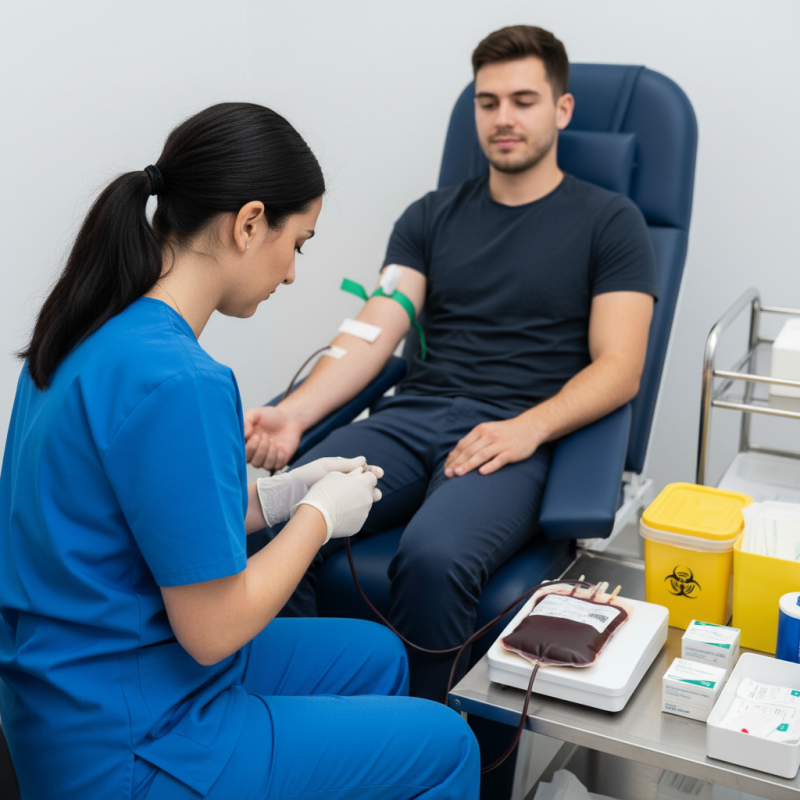
Best Practices for Safe Blood Collection Techniques?

Best Practices for Safe Blood Collection Techniques

Safe blood collection techniques are crucial for ensuring patient well-being. Proper preparation can minimize risks during the process. Begin by confirming the patient’s identity before proceeding. Use clear, concise language to explain the procedure. This builds trust and reduces anxiety.

Hygiene is vital. Always wash hands thoroughly with soap and water. Utilize gloves to maintain a sterile environment. Choosing the right collection site can affect the outcome. Use a tourniquet to make veins more visible, but do not leave it on for too long.

Even with careful planning, complications can occur. A patient may faint or experience discomfort. It's essential to monitor them closely during and after blood collection. Training is necessary for staff to manage these situations effectively. Continuous education on new techniques can enhance safety and improve outcomes. Reflect on your approach regularly to find areas for improvement.

Understanding the Importance of Aseptic Technique in Blood Collection

Aseptic technique is crucial in blood collection. Infections can arise from unclean practices. According to the Centers for Disease Control and Prevention (CDC), contamination rates can reach 2-4% if protocols are not strictly followed. This highlights the need for trained professionals who understand the nuances of sterility.

Every step matters. Before collecting blood, proper hand hygiene is essential. Handwashing can reduce pathogen transmission by 80%. A sterile field should be created using clean equipment. This minimizes risks not only to patients but also to healthcare workers. Improper handling can lead to serious complications.

It's important to acknowledge that even seasoned professionals can overlook details. Adequate training and regular refresher courses for staff are necessary. The World Health Organization emphasizes the role of ongoing education in maintaining safety standards. Ensuring aseptic technique is not just a protocol; it's a commitment to patient well-being. The stakes are high, and learning from past mistakes can lead to better outcomes.

Best Practices for Safe Blood Collection Techniques

Key Equipment Required for Safe Blood Collection Procedures

In safe blood collection procedures, the right equipment plays a crucial role. Ensuring that all tools are sterile and designed for specific tasks is essential. A well-functioning autoclave is necessary for sterilizing reusable equipment. In addition, proper gloves should always be worn to maintain hygiene.

Sharps containers are vital for the disposal of needles and other sharp items. They must be puncture-proof to avoid any accidental injuries. Another essential piece of equipment is a tourniquet. This enables better visibility and accessibility of veins. It’s important that the tourniquet is not left on for too long, as this can cause discomfort or complications.

Collecting blood requires precision and care. Mistakes can happen, even with the best intentions. Regular training sessions for staff can help in minimizing errors. It's crucial to assess the environment for proper lighting and cleanliness. Safe blood collection procedures are a team effort, where communication is key. A supportive atmosphere encourages staff to report issues, leading to continuous improvement in practices.

Proper Patient Preparation: Enhancing Safety and Comfort

Proper patient preparation is crucial for blood collection. Enhancing safety and comfort can significantly improve patient experiences. A study from the American Journal of Clinical Pathology found that well-prepared patients are 30% less likely to experience anxiety during the procedure. This preparation includes explaining the process to patients clearly and ensuring they are hydrated.

Educational materials can help. Using simple visuals can assist patients in understanding their role. While some labs implement these techniques, many still rely on verbal instructions alone. A survey showed that 25% of patients did not remember the guidelines provided before their procedures. This lack of retention can lead to discomfort and complications.

Comfort during blood collection involves the right environment. A study published in the Journal of Blood Medicine highlighted that rooms with controlled temperature and soft lighting can reduce patient stress levels significantly. Despite knowing this, many clinics overlook these details, which affects patient satisfaction. It's essential to evaluate and improve these aspects regularly. Patient comfort shouldn't be an afterthought; it should be prioritized.

Post-Collection Care: Monitoring and Managing Patient Safety

Post-collection care is essential for patient safety during blood collection procedures. Monitoring patients after donation helps identify complications early. According to the American Association of Blood Banks, about 5% of donors experience reactions. Common issues include dizziness, nausea, and fainting. Proper management can minimize these risks and ensure donor safety.

Once the blood is collected, observe the donor for at least 15 minutes. Offer fluids to prevent dehydration. Encourage donors to stay seated until they feel well. This simple action can significantly reduce incidents of fainting or lightheadedness. If any adverse symptoms arise, immediate intervention is crucial. Medical staff should be trained to recognize signs of distress quickly.

Tips:
Always have cold compresses available for those feeling unwell. Ensure a comfortable environment for donors, free from noise and distractions. Use soft reassuring words during care to ease anxiety.

Maintaining a calm and supportive atmosphere post-collection is vital. Reflection on past procedures highlights that some facilities overlook the emotional state of donors. Regular training on patient interaction could bridge this gap. Keeping detailed notes of any adverse reactions can improve future practices.

FAQS

: What is essential for safe blood collection?

: The right equipment is crucial for safe blood collection procedures.

Why is sterilizing equipment necessary?

Sterilization prevents infections and ensures safety during blood collection.

What role do gloves play in blood collection?

Proper gloves maintain hygiene and protect both staff and patients.

How should sharps be disposed of?

Use puncture-proof sharps containers to prevent accidental injuries.

Why is patient preparation important?

Good preparation reduces anxiety and improves patient comfort during procedures.

How can communication enhance blood collection processes?

Effective communication fosters teamwork and helps in addressing potential issues.

What environmental factors affect patient comfort?

Temperature control and soft lighting can significantly reduce patient stress.

How can educational materials aid patients?

Simple visuals help patients understand their roles and the procedure better.

Why do some patients forget guidelines before procedures?

Many rely on verbal instructions, leading to forgetfulness and discomfort.

What can clinics do to improve patient satisfaction?

Regularly assess and refine the environment and comfort measures offered.

Conclusion

The article "Best Practices for Safe Blood Collection Techniques" emphasizes the critical importance of aseptic techniques to ensure patient safety during blood collection procedures. By strictly adhering to established protocols, healthcare providers can significantly minimize the risk of infection and complications. Key equipment is essential, including sterile needles, collection tubes, and antiseptics, which contribute to the overall safety of the procedure.

Proper patient preparation plays a crucial role in creating a comfortable environment, thereby enhancing the overall experience for those undergoing blood collection. Additionally, post-collection care is vital, as monitoring and managing the patient’s condition after the procedure can prevent adverse effects. By following these best practices for safe blood collection, healthcare professionals can ensure a smooth and effective process, safeguarding both patient health and well-being.

Charlotte

Charlotte

Charlotte is a seasoned marketing professional with a deep understanding of the company's portfolio and a passion for elevating its presence in the market. With a keen eye for detail and a commitment to excellence, she ensures that our professional blog is regularly updated with insightful articles......