2026 How to Manage Diabetes Devices Effectively and Efficiently?

Time:2026-08-10 Author:Sienna
0%

Managing diabetes requires the integration of technology into daily routines. With the rise of diabetes devices, managing diabetes devices effectively has become crucial. These devices, like continuous glucose monitors and insulin pumps, provide valuable data. However, they can also introduce complexity.

Users must understand how to leverage these tools properly. This means not just using them, but doing so in a way that enhances health outcomes. Many individuals struggle with device calibration, connectivity issues, and data interpretation. These challenges highlight the importance of education. Learning how to troubleshoot and optimize these devices is essential.

Additionally, managing diabetes devices effectively involves regular health checks. Users should maintain consistent communication with healthcare providers. This two-way interaction ensures devices are functioning optimally. It also fosters a supportive environment for individuals managing diabetes. Embracing these practices can transform the user experience. The goal is to streamline management and improve overall well-being.
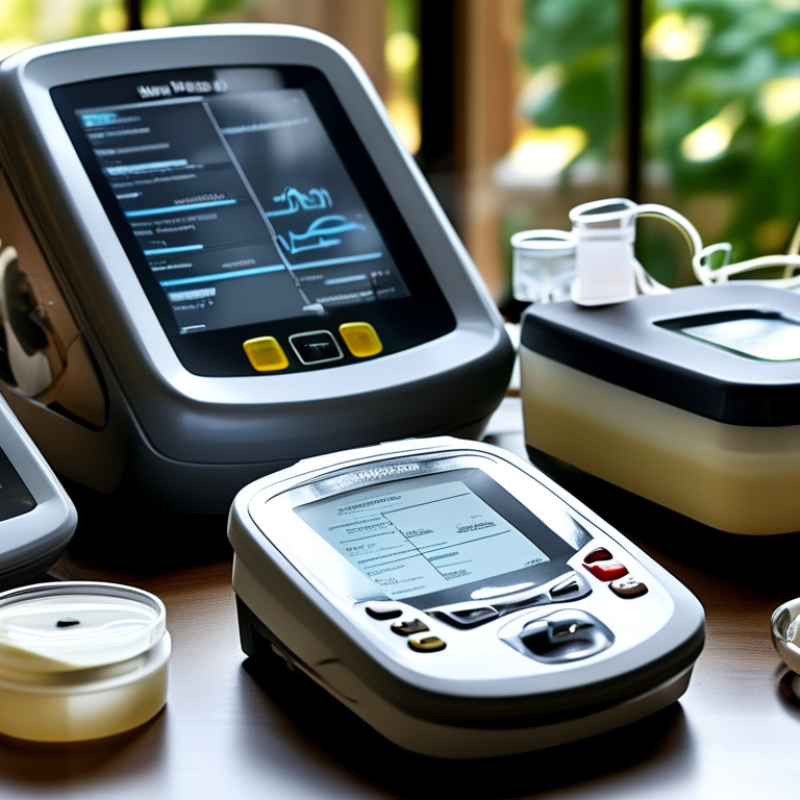
2026 How to Manage Diabetes Devices Effectively and Efficiently?

Understanding Diabetes Devices: Types and Functions

Understanding diabetes devices is crucial for effective management of the condition. Various devices help monitor blood glucose levels and support insulin delivery. Continuous glucose monitors (CGMs) provide real-time data, allowing users to track their levels throughout the day. Studies show that using CGMs can lower A1C levels by 0.5% to 1%, which significantly reduces diabetes complications.

Insulin pumps offer another innovative solution. These devices deliver precise insulin doses based on individual needs. The American Diabetes Association indicates that pump users can achieve better control compared to those relying solely on injections. However, the integration of technology has its challenges. Not all patients adjust well to device usage. Some may find the learning curve steep or experience discomfort.

Regular maintenance and calibration are vital. Many patients overlook these aspects, leading to inaccurate readings. It is essential to routinely check and replace sensors. Data from the Journal of Diabetes Science and Technology highlights that poorly maintained devices can compromise treatment efficacy. Awareness and education surrounding device usage should be emphasized to improve overall diabetes management.

Key Features to Consider When Selecting Diabetes Devices

Selecting the right diabetes devices is crucial for effective management. When choosing a device, reliability is essential. Reports indicate that nearly 40% of users experience issues with accuracy. This highlights the importance of selecting devices backed by clinical validation. Look for features that have proven to deliver consistent performance.

Ease of use is another key feature. Research shows that over 60% of patients prioritize user-friendly interfaces. Devices should be intuitive and easy to navigate. A complicated device can lead to errors in insulin delivery or blood glucose monitoring. Therefore, consider models that offer clear instructions and simple functionality.

Additionally, connectivity features are becoming increasingly vital. A report from the Diabetes Technology Society states that connected devices can improve patient engagement by 50%. They enable data sharing with healthcare providers, enhancing decision-making. However, there can be concerns about data privacy. Patients need to weigh the benefits against potential risks in data security. This balance requires careful consideration and reflection for optimal diabetes management.

Best Practices for Effective Monitoring and Maintenance

Effective monitoring and maintenance of diabetes devices is crucial for optimal health management. One key practice is regular calibration. Many devices require periodic checks to ensure accurate readings. Neglecting these checks can lead to misleading data and poor diabetes control. Make it a routine to review your device’s instructions for maintenance requirements.

Another important aspect is keeping your devices clean. Dirt or debris can affect device performance. Regular cleaning prevents malfunctions and prolongs the life of your equipment. Users often forget to consider the environment where the devices are stored. Extreme temperatures or humidity can impact device reliability. Reflecting on where and how you store your tools is essential.

Lastly, education plays a crucial role. Users should stay updated on technology advancements. Understanding how to properly troubleshoot devices is beneficial. Do not hesitate to reach out to healthcare professionals for guidance. Sometimes, minor adjustments can make a significant difference in daily management.

Effective Management of Diabetes Devices in 2026

Integrating Technology: Apps and Tools for Diabetes Management

Managing diabetes effectively requires embracing technology. Apps designed for diabetes management offer innovative solutions. According to a recent study by the American Diabetes Association, over 30% of diabetics use mobile applications for monitoring their condition. These tools can track blood glucose levels, dietary habits, and physical activity. They provide real-time feedback, which helps users make informed choices.

However, not all apps are created equal. Some lack user-friendly interfaces or comprehensive functionalities. Research indicates that only 20% of diabetes apps meet high usability standards. This reality raises questions about the effectiveness of such tools in daily management. Users often juggle multiple applications to find the best fit, which can lead to frustration.

Integrating technology into daily routines can empower patients but also presents challenges. The dependence on digital tools may lead some to overlook traditional methods of monitoring health. A balanced approach is essential. Leveraging technology while remaining aware of its limitations can enhance diabetes management. Regular evaluations of app effectiveness are crucial for long-term success.

Patient Education: Training for Optimal Device Use

Patient education plays a crucial role in managing diabetes with devices. Research shows that well-informed patients experience better outcomes. A recent study indicated that effective training improves device adherence by nearly 70%. This underscores the need for comprehensive education programs tailored for users.

Training sessions should focus on practical skills. Patients should practice how to use devices, understand readings, and respond appropriately. Engaging with multimedia resources can enhance learning. Statistics reveal that visual aids can increase retention rates by up to 30%. Regular refreshers are equally important. Many patients may forget critical steps over time.

Feedback mechanisms can provide insights into common user challenges. Collaboration with healthcare professionals can lead to more effective training modules. Addressing barriers, like device anxiety, can improve patient confidence. Many users report feeling overwhelmed by device complexity. Ensuring ongoing education can mitigate frustration and promote better diabetes management.

FAQS

: What are the main types of diabetes devices?

: Continuous glucose monitors (CGMs) and insulin pumps are popular devices. They help monitor blood glucose and deliver insulin.

How do continuous glucose monitors help users?

CGMs provide real-time data. Users track their glucose levels throughout the day, improving diabetes management.

Why is regular maintenance of diabetes devices important?

Regular maintenance and calibration ensure accurate readings. Neglect can lead to misleading data and poor diabetes control.

What should users do to maintain their devices?

Users should routinely check sensors, keep devices clean, and avoid extreme temperatures. This helps prolong device life.

How can patient education improve device use?

Well-informed patients have better outcomes. Effective training can improve device adherence by nearly 70%.

What is a common challenge for users of diabetes devices?

Many users feel overwhelmed by the complexity of devices. Understanding how to use them can reduce anxiety.

How does effective training enhance diabetes management?

Training focuses on practical skills. This includes how to read data and respond appropriately, leading to better management.

What role does collaboration with healthcare professionals play?

Collaboration helps develop effective training programs. Feedback from professionals addresses common user challenges and barriers.

Why is ongoing education necessary for diabetes device users?

Regular refreshers help users remember critical steps. Ongoing education can mitigate frustration and improve confidence.

Conclusion

Managing Diabetes Devices Effectively requires a thorough understanding of the various types and functions of these essential tools. Selecting the right device involves considering key features such as accuracy, ease of use, and compatibility with other technologies. Adopting best practices for monitoring and maintenance ensures devices function optimally, promoting better health outcomes.

Furthermore, integrating technology through apps and digital tools enhances diabetes management by providing real-time data and personalized insights. Patient education plays a crucial role, as training on optimal device use empowers individuals to take control of their condition. By combining these elements, individuals can significantly improve their diabetes management strategies and enhance their quality of life.

Sienna

Sienna

Sienna is a skilled marketing professional with a deep expertise in our company’s core products and services. With a passion for innovation and detail, she plays a pivotal role in crafting insightful blog posts that not only highlight the unique features of our offerings but also provide valuable......