ZNG Medical
ZNG Medical
ZNG Medical
High-precision medical consumables engineered for clinical accuracy, sterile application, and maximum patient comfort.
Mapping the worldwide demand, clinical needs, and export dynamics of medical grade injection systems.
The global hypodermic needle market continues to expand due to the rising prevalence of chronic conditions such as diabetes, oncology treatments, vaccine immunization campaigns, and the surging popularity of minimally invasive aesthetic medicine. According to recent clinical intelligence reports, the industry is transitioning from standard cannula configurations to safety-engineered designs that prevent needle-stick injuries (NSIs).
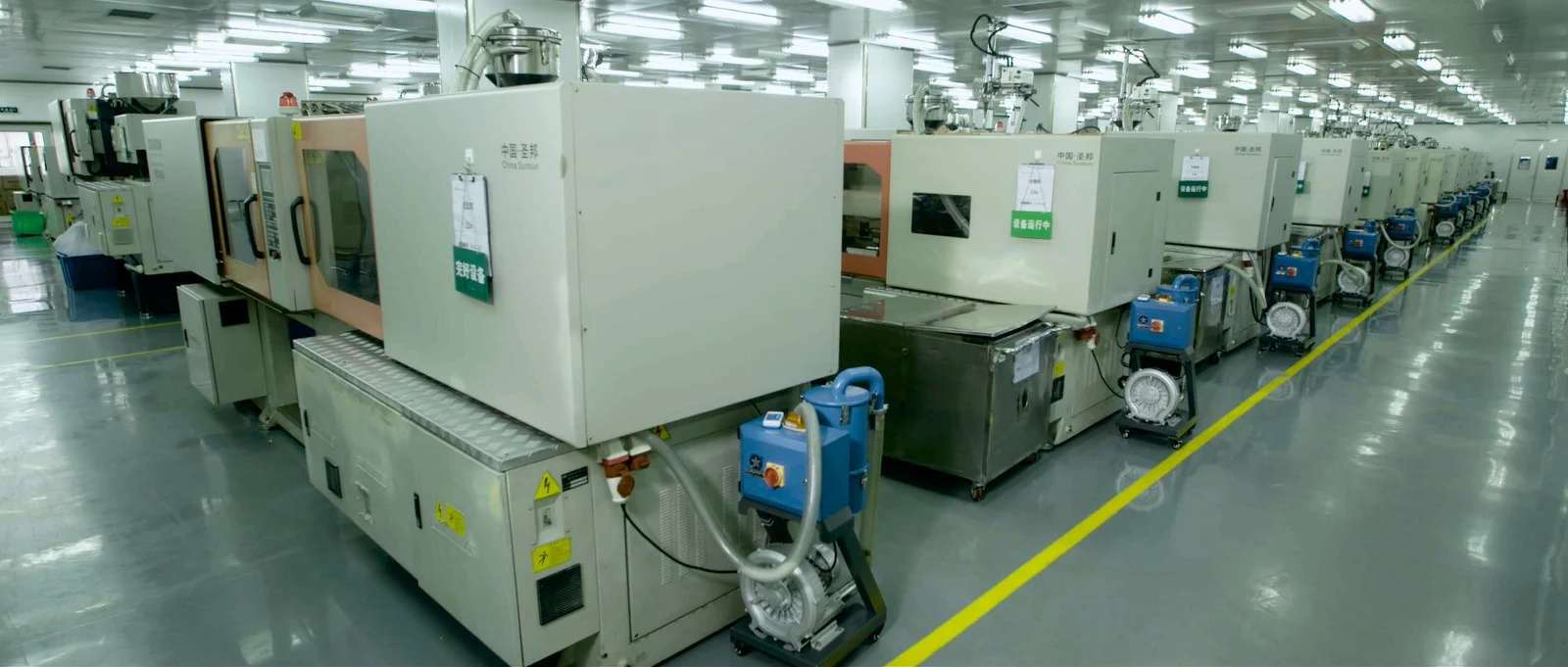
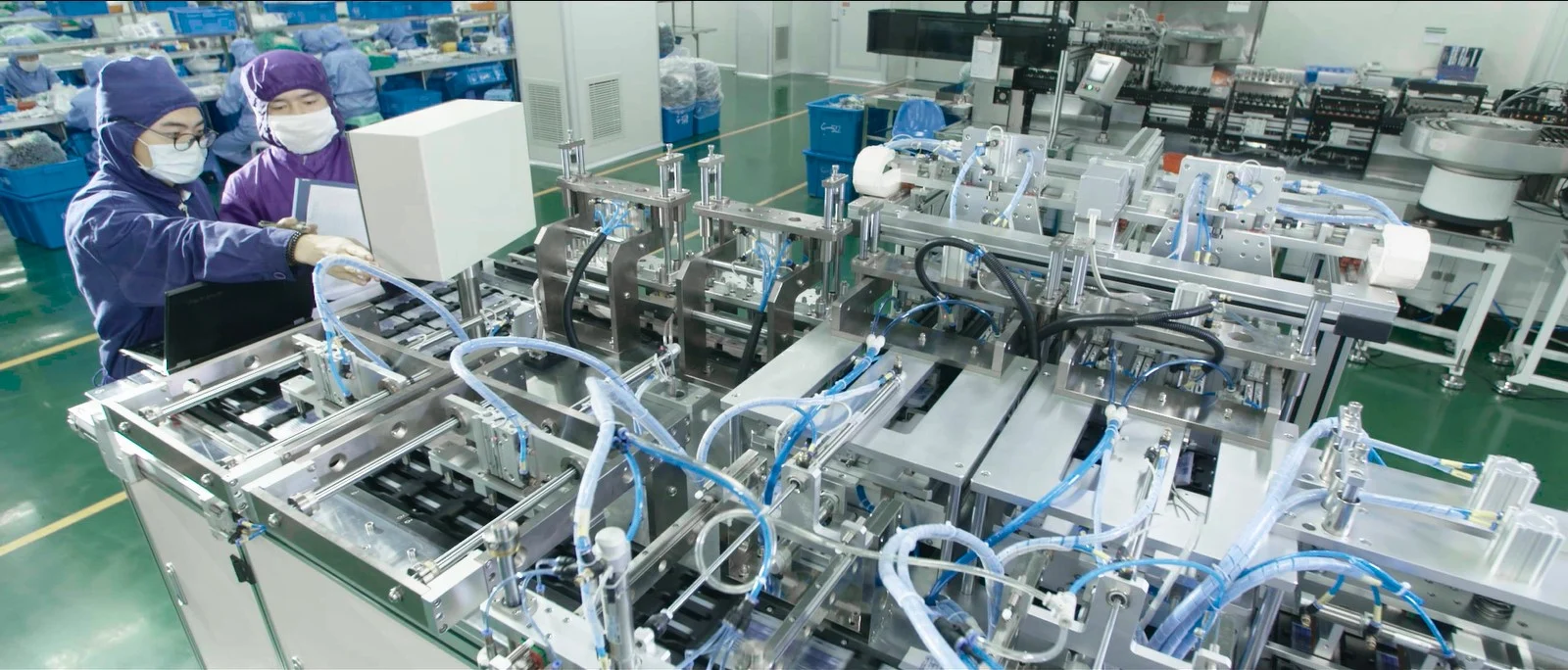
B2B procurement has shifted from transactional pricing to structural quality metrics. Global healthcare networks and distributors prioritize factories that maintain certified ISO Class 7 and Class 8 cleanrooms, state-of-the-art siliconization processes, and robust sterilization validation protocols.
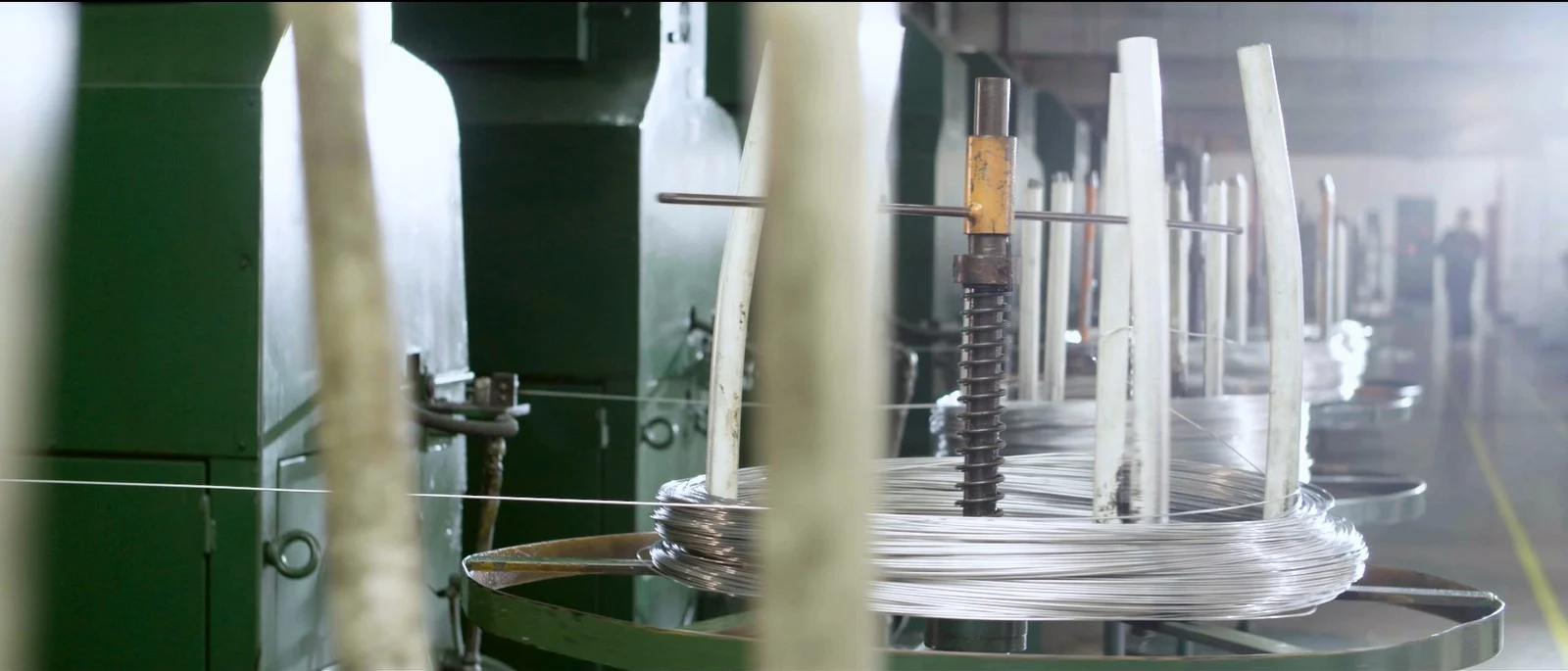
A verified factory and exporter is characterized not merely by scale, but by technological specialization. The leading ten manufacturing clusters globally—predominantly concentrated in high-capacity zones like Zhejiang, China—distinguish themselves through vertically integrated production lines, which run from raw medical-grade stainless steel capillary drawing down to automated optical inspection and blister packing.
For procurement officers, sourcing from leading exporters ensures supply continuity, regulatory alignment (FDA 510(k), CE MDR compliance), and optimized per-unit cost structure through raw material sourcing partnerships.
Zhejiang ZNG Medical, founded in 1996, stands as a leading medical device enterprise. We are dedicated to researching, developing, and producing high-performance injection products. Through rigorous adherence to the ISO 9001 and ISO 13485 quality systems alongside CE product certification, we supply secure and efficient products to the global healthcare market.
Our commitment to public health needs is at the heart of our mission. By listening closely to customer requests and clinical service feedback, ZNG Medical continuously optimizes existing products and designs innovative medical systems to address evolving therapeutic requirements.
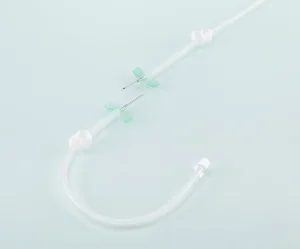
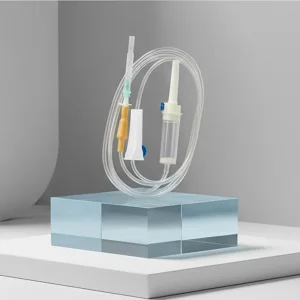
Pen needles, blood collection needles, spinal needle, dental needle, disposable needle, epidural needle, chiba needle, huber needle, fistula needle, microcannula for fillers, different irrigation needle, blunt needle, biopsy needle, introducer needle, scalp vein set, and veterinary needle. We specialize in the development of special needles according to customer drawings and requests, offering customized design and professional mold making.

Providing customized OEM/ODM services for global healthcare brands. From tailored designs to standardized, reliable distribution.
Client submits technical specifications or drawings.
Transparent pricing based on material specs & volumes.
Samples provided for laboratory & clinical verification.
Confirming specifications, quantities, and lead times.
Proforma Invoice sent with terms and schedules.
Financial clearance to trigger factory production schedules.
Fabrication inside ISO certified cleanrooms.
Production and packaging documentation sent to client.
Securing payment terms prior to port release.
Coordinating logistics and cargo routes.
Safe international transport via ocean or air cargo.
BL, CO, and testing certificates sent to client.
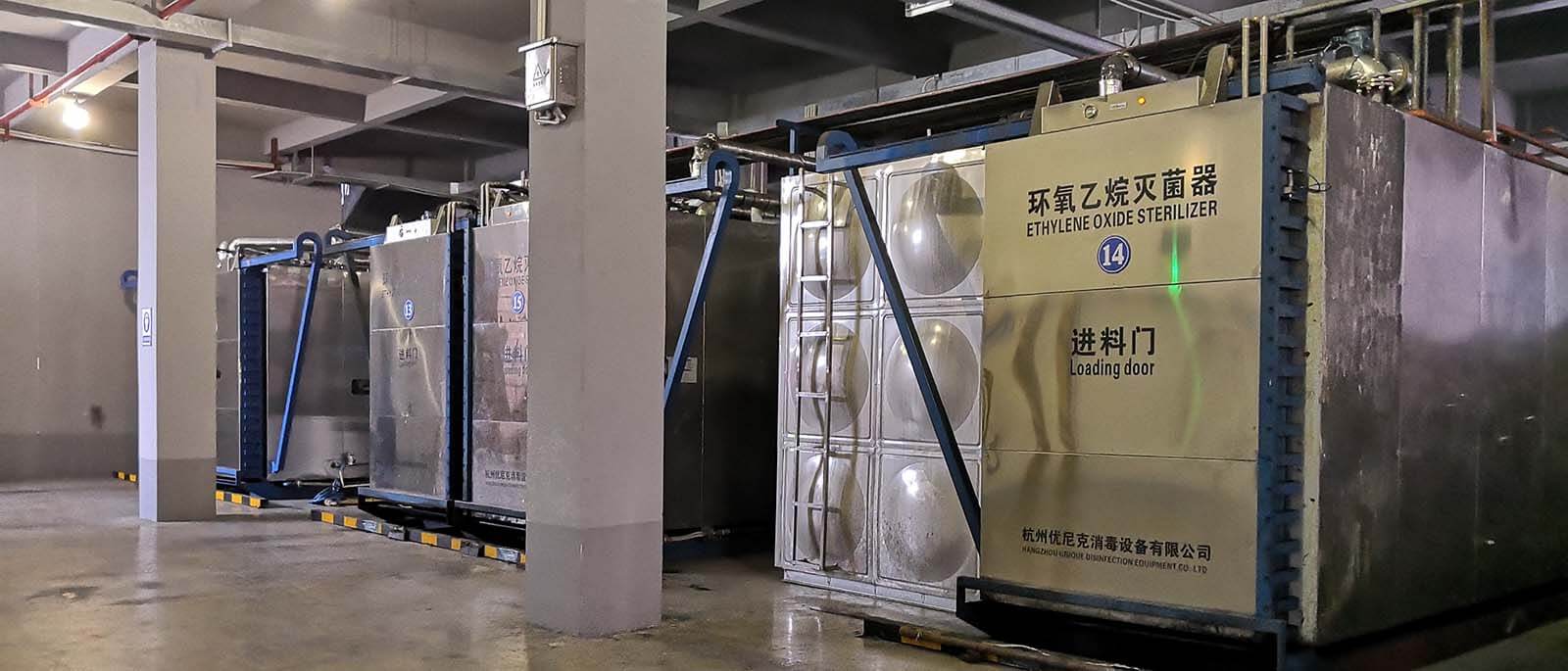
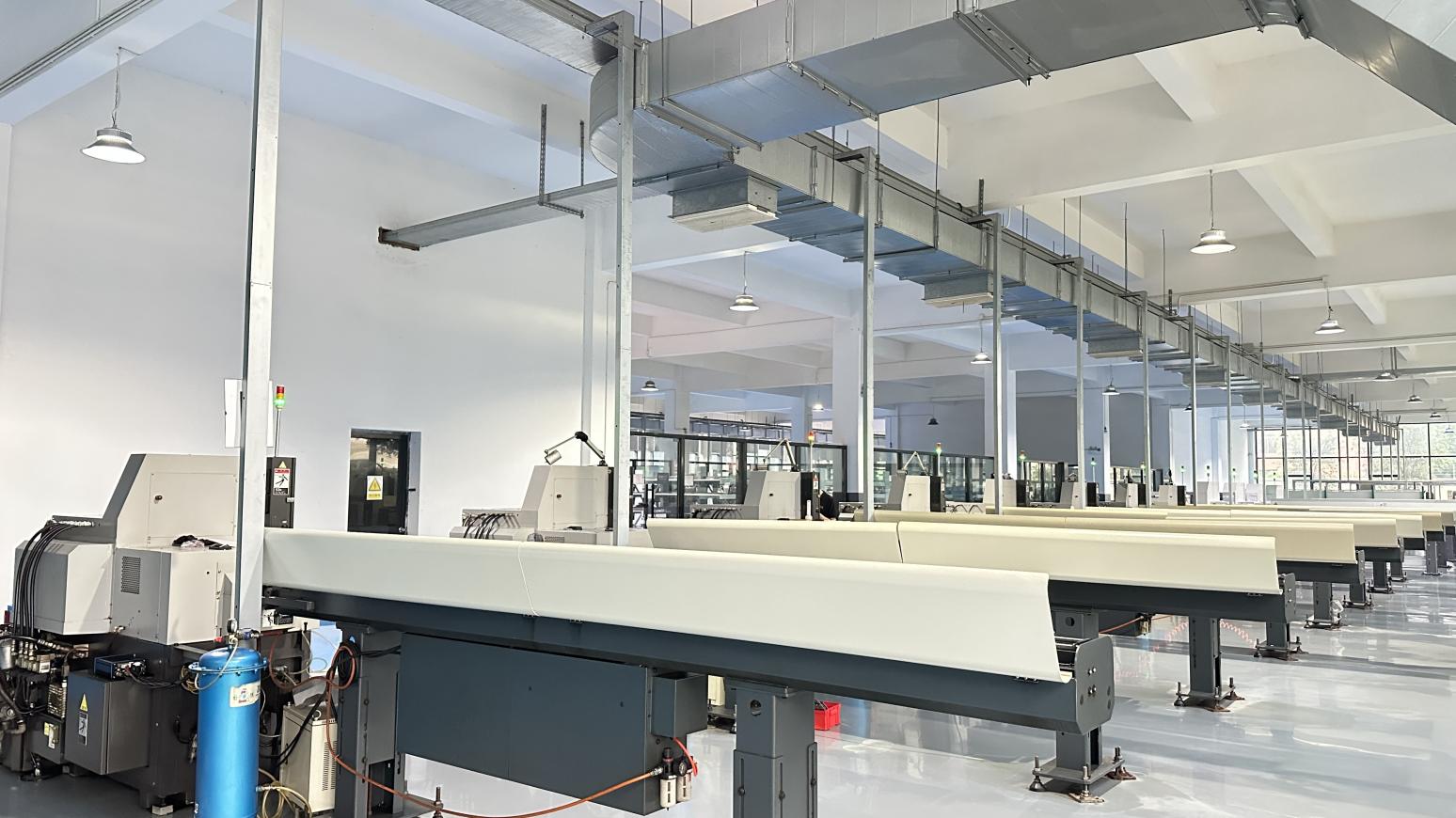
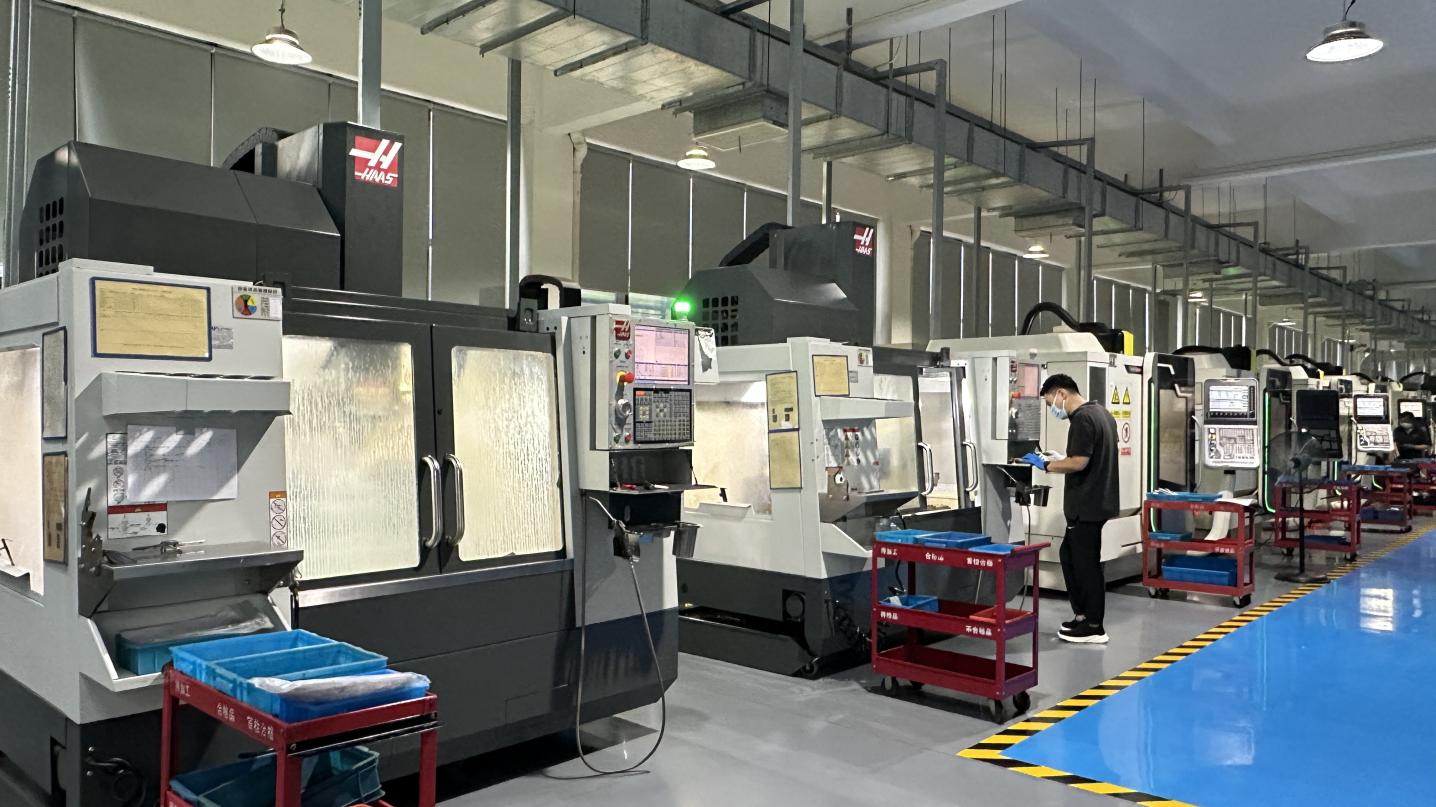
Witness the production environments, cleanroom standards, and advanced machinery behind our high-quality hypodermic needles.
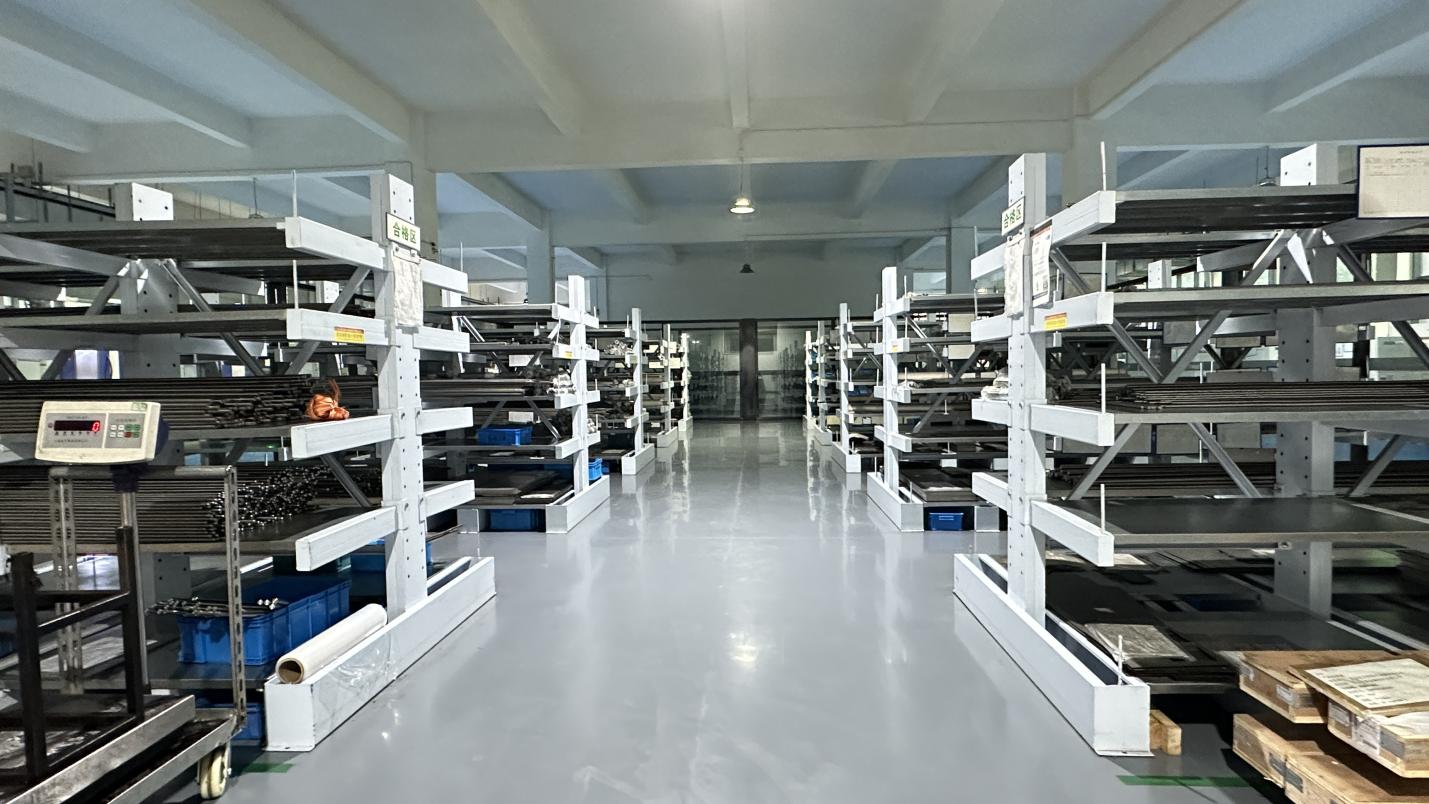
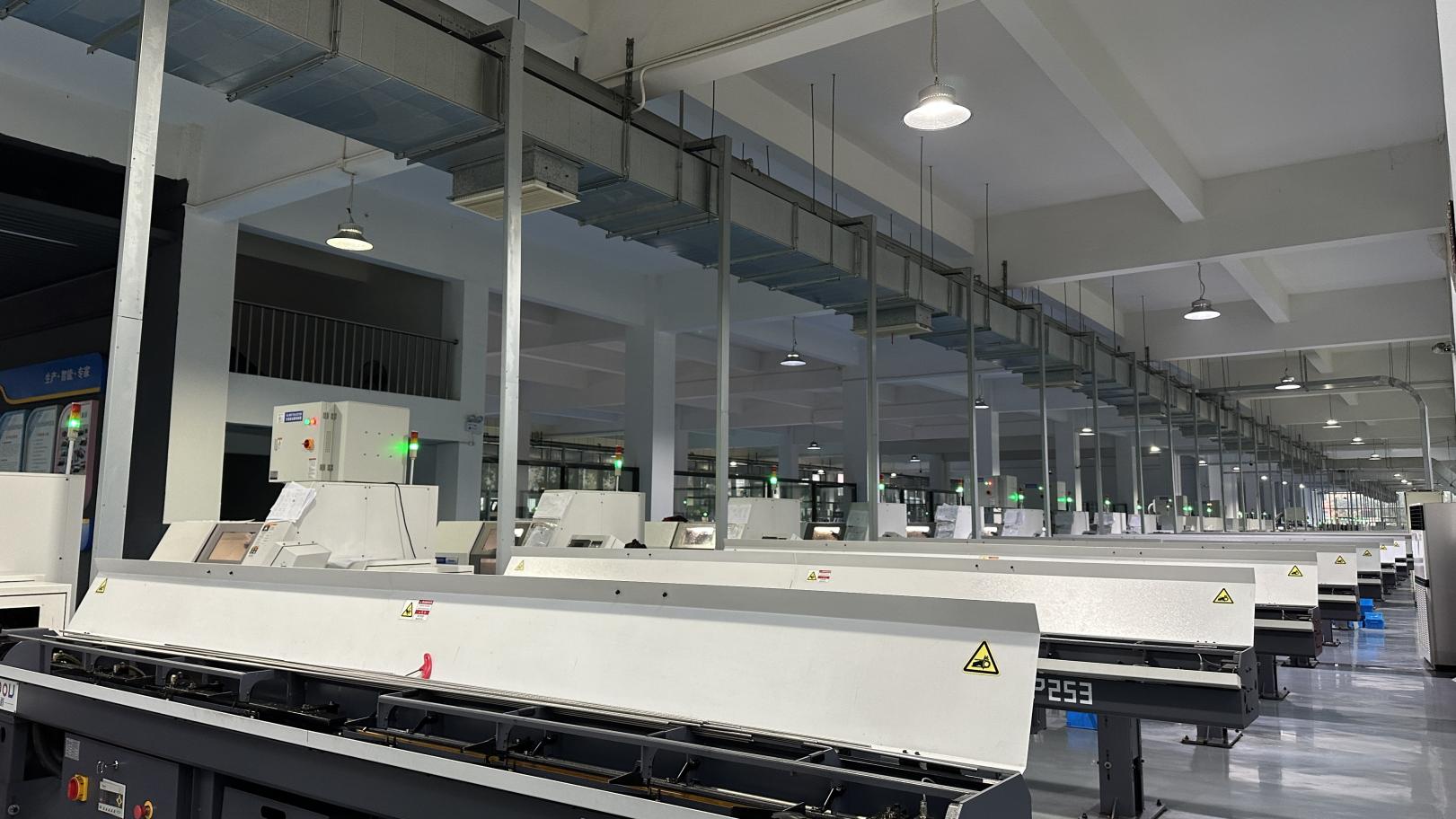
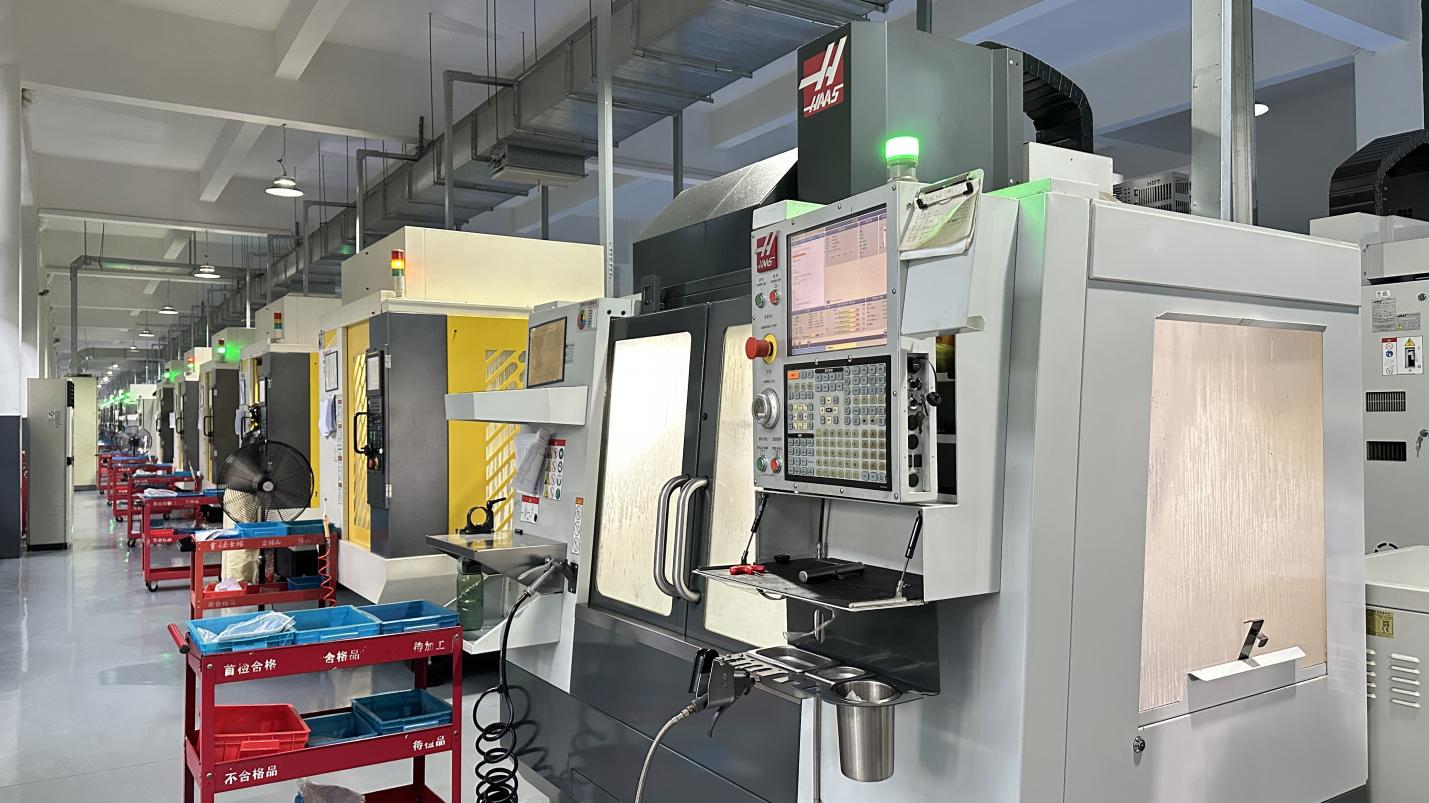
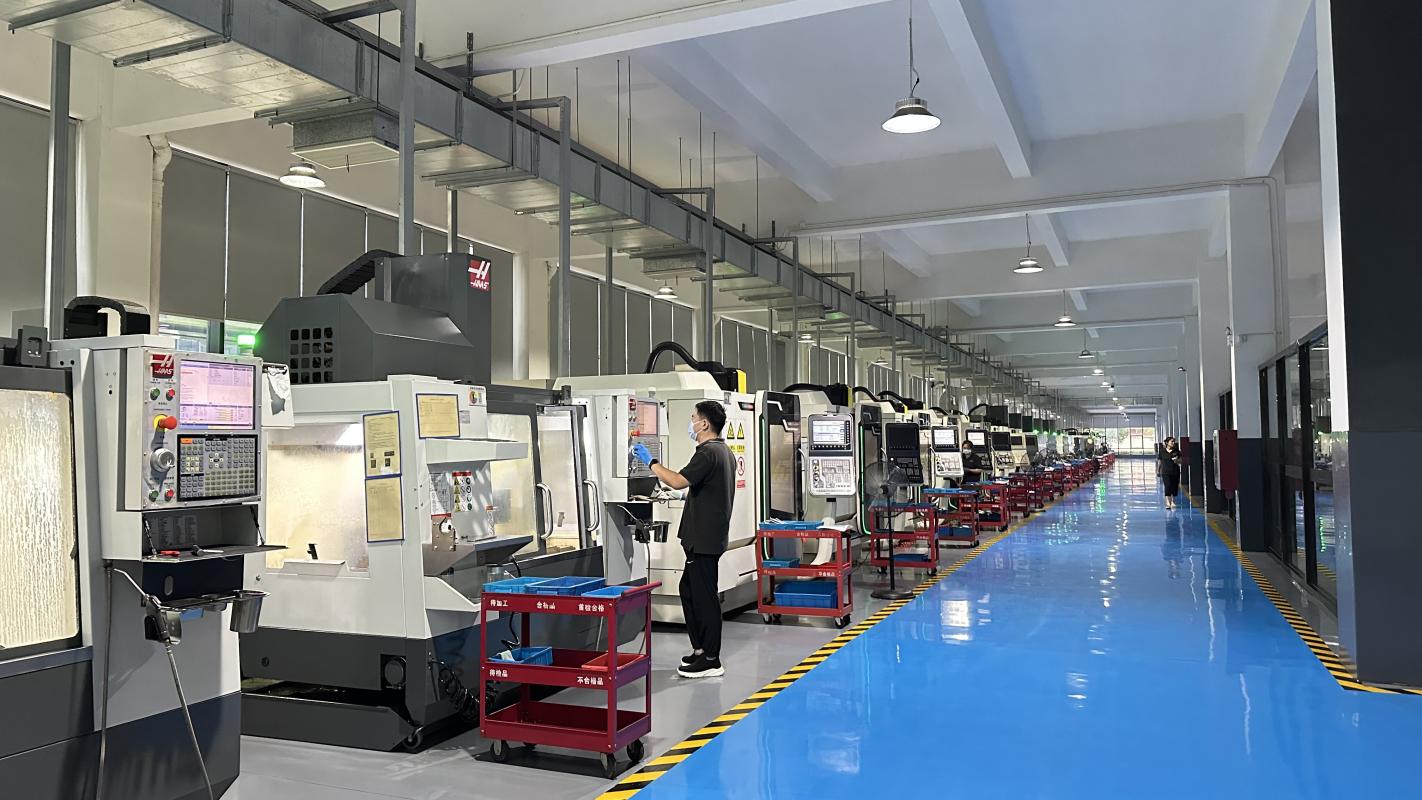
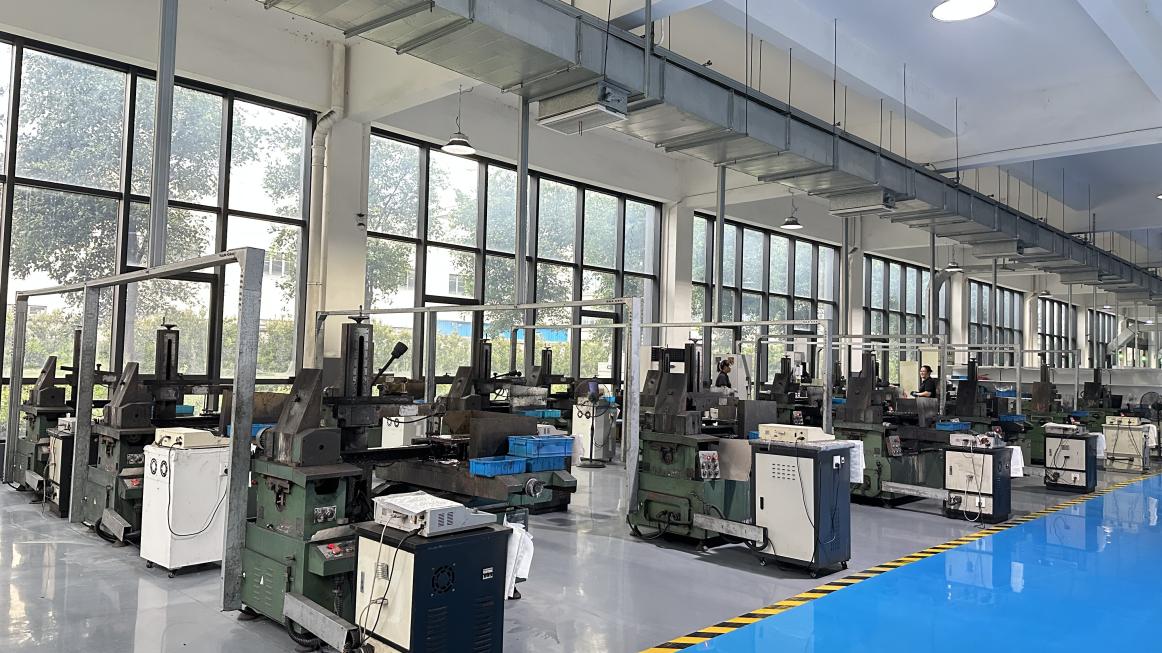
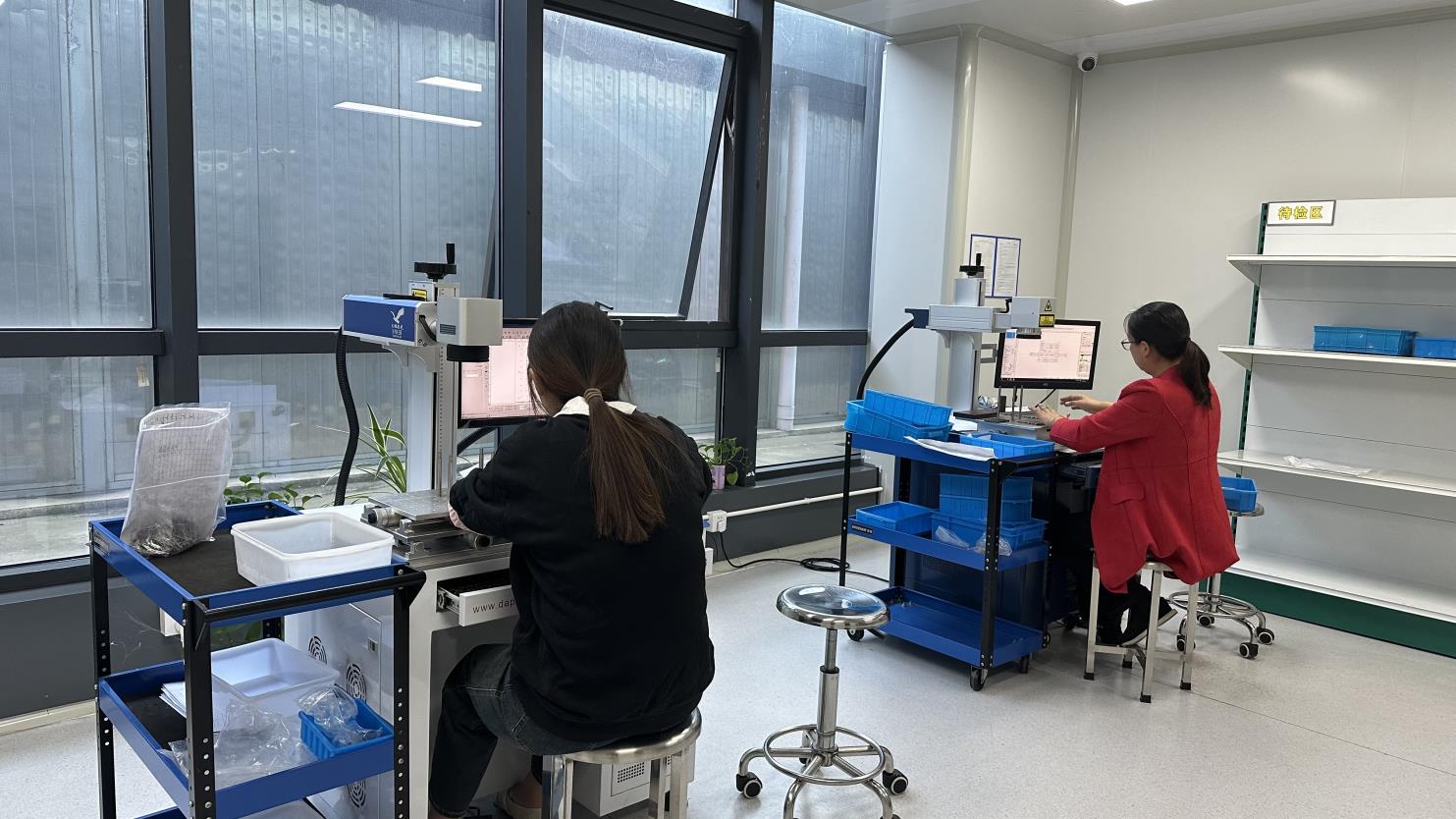
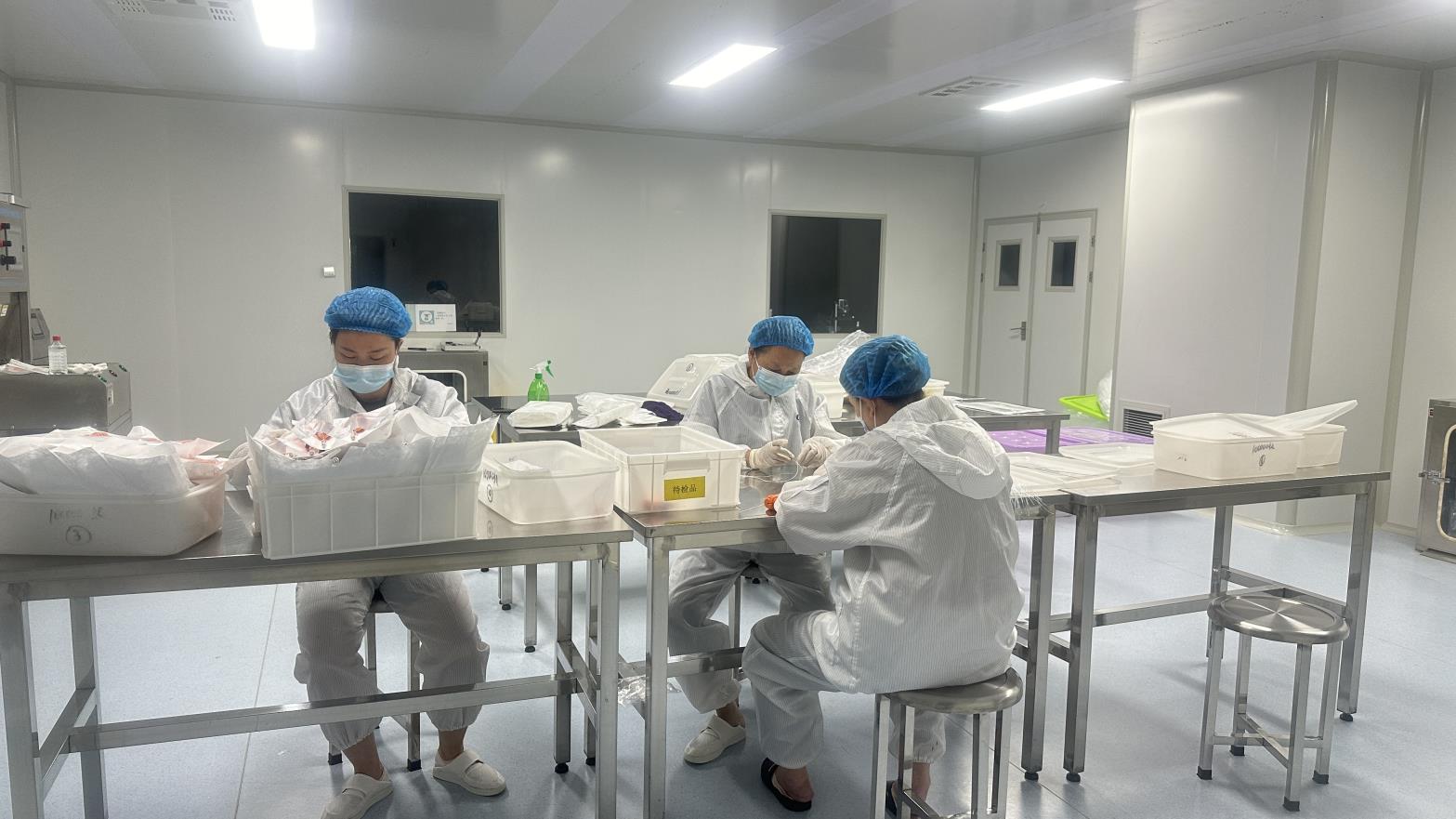
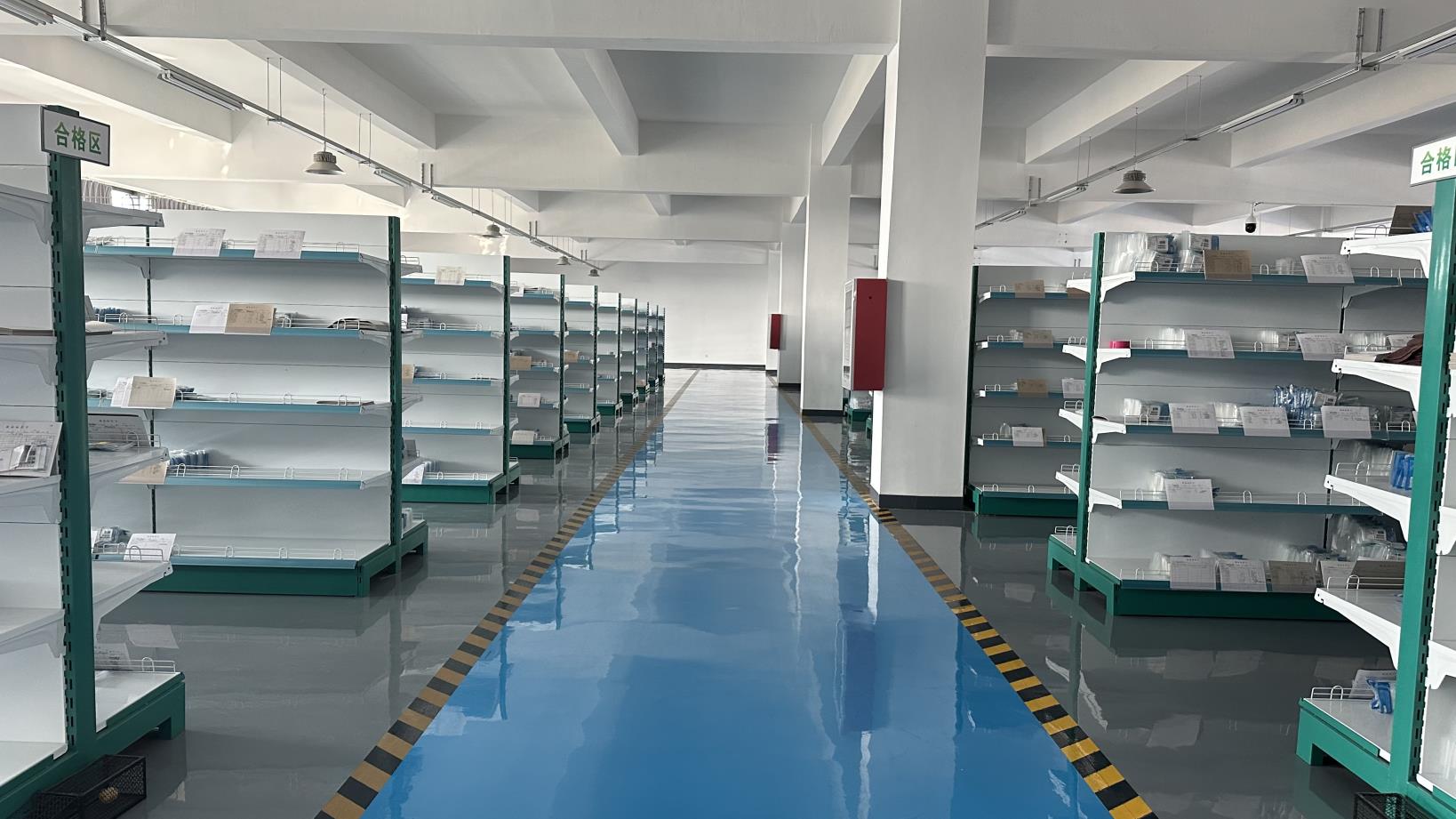
Why sourcing from Chinese medical manufacturers is the industry standard for global distributors.
China hosts the world's most integrated medical-grade stainless steel capillary drawing infrastructure. Factories have immediate access to high-purity SUS304 and SUS316L grades, ensuring raw material consistency and reducing production lead times.
By leveraging advanced automated assembly lines (incorporating camera checking systems for needle bevel geometry and assembly precision), Chinese factories ensure low defect rates (measured in PPM) and high volume efficiency.
Proximity to key international ports like Ningbo and Shanghai guarantees streamlined ocean freight scheduling. Advanced logistics networks ensure seamless transit from raw steel coils to loaded cargo containers.
The manufacturing technology of hypodermic needles is undergoing significant transformation, guided by strict regulatory guidelines and clinical requirements:
| Gauge Size | Outer Diameter (mm) | Flow Profile | Primary Indication |
|---|---|---|---|
| 18G–21G | 1.20 – 0.80 | High Flow Rate | Rapid Aspiration, Blood Draw |
| 22G–25G | 0.70 – 0.50 | Moderate Flow | IM & Subcutaneous Injections |
| 26G–30G | 0.45 – 0.30 | Low Flow Rate | Pediatric & Insulin Delivery |
| 31G–34G | 0.25 – 0.18 | Micro-Volume | Aesthetics, Microcannulas |
Engineered to perform in distinct therapeutic applications, maintaining patient safety and instrument integrity.
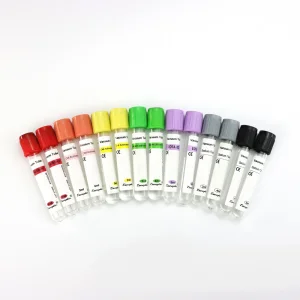
Custom-bevel blood collection needles, optimized to prevent hemolysis, work in tandem with evacuated blood collection tubes. High-gauge fistula needles are specifically designed for chronic hemodialysis, facilitating stable extracorporeal blood flow.
Spinal and epidural needles require high-tensile strength to avoid needle deflection. Features like Quincke, Whitacre, or Sprotte points are designed to minimize post-dural puncture headache (PDPH) risks in clinical settings.
Microcannula technology has revolutionized facial aesthetics. Flexible, blunt-tip needles allow uniform deposition of dermal fillers without damaging vascular networks, significantly reducing swelling and downtime.
Ensuring our manufacturing standards align with stringent international regulatory frameworks.
Sourcing medical devices demands strict compliance. ZNG Medical operates under ISO 9001 and ISO 13485 certifications. All products are CE registered, confirming adherence to European Union health, safety, and environmental protection standards.
Our sterilization methods (using certified Ethylene Oxide (EO) gas) are validated under ISO 11135 guidelines. They ensure that every batch meets a Sterility Assurance Level (SAL) of 10⁻⁶, eliminating microbiological contamination risks.
Direct answers to technical, regulatory, and B2B sourcing inquiries.
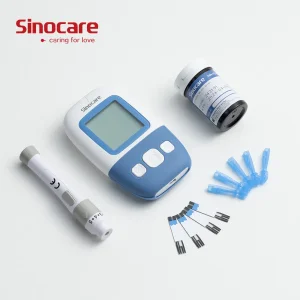
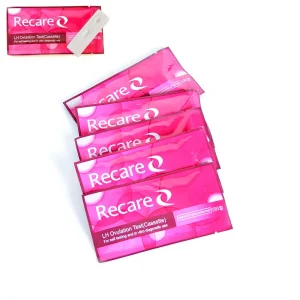
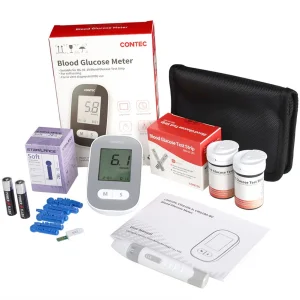
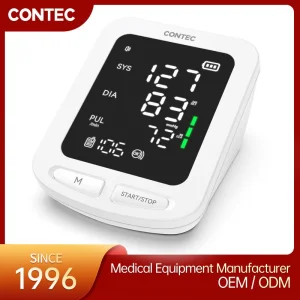
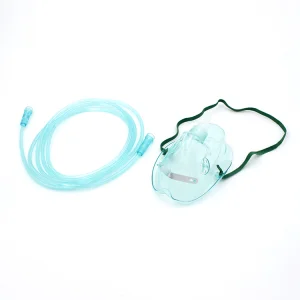
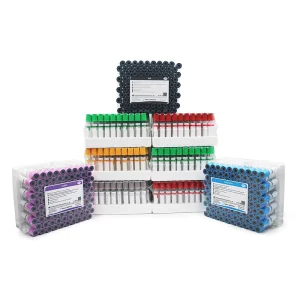
Explore our wider range of medical devices, diagnostic test kits, and surgical equipment engineered for global healthcare standards.