ZNG Medical
ZNG Medical
ZNG Medical
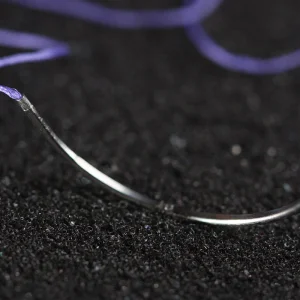
In modern healthcare management, the containment of biohazardous waste and the integrity of injection devices represent a primary defense line against cross-infection, needle-stick injuries (NSIs), and environmental contamination. Global regulatory shifts, combined with stricter protocols governing the handling of pathological waste, have placed great importance on the engineering criteria of both needles and their corresponding disposal units. As a major center for medical device manufacturing, China hosts highly sophisticated, fully integrated production facilities designed to meet these stringent requirements.
A premium manufacturing methodology goes beyond standard injection molding. True compliance requires the integration of advanced polymers that resist high-impact forces, defy needle penetration under pressure, and feature fail-safe locking mechanisms. This comprehensive white paper outlines the technological trends, engineering processes, and custom development pathways for clinical needles and sharps containers, setting a standard for global healthcare procurement groups.
Founded in 1996, Zhejiang ZNG Medical has established itself as a leading medical device company. Our enterprise is dedicated to the research, development, and production of high-performance injection products and sharps disposal systems. By maintaining strict control over raw materials and adhering to global quality standards, we ensure that every unit leaving our production line contributes to a safer healthcare environment.
Through our comprehensive ISO 9001 quality system and CE product certification, we provide secure, efficient, and regulatory-compliant medical solutions to international markets. Our production environment includes state-of-the-art cleanrooms and automated assembly lines that prevent human error, maintaining maximum sterility and dimensional accuracy.
ZNG Medical Mission: We are committed to public health needs. By actively listening to customer requests, we better understand the precise needs of clinicians, allowing us to continuously improve our existing products and develop new ones.

ZNG Medical manufactures an extensive array of clinical and specialized needles engineered to exact tolerances:
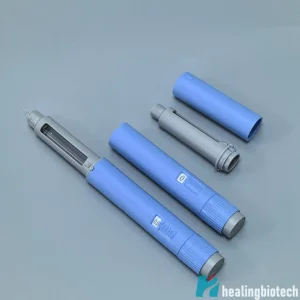
Pen needles, blood collection needles, disposable medical needles, dental anesthesia needles, and veterinary needles for farm and clinical environments.
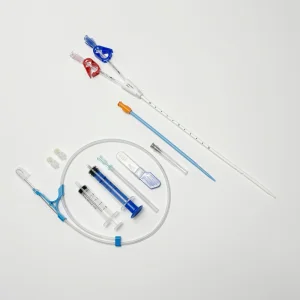
Spinal needles, epidural needles, chiba needles, huber needles, fistula needles for hemodialysis, and introducer needle kits.
High-precision microcannula systems for fillers, various irrigation needles, and non-traumatic blunt-tipped needles.
High-yield biopsy needles, scalp vein infusion sets, and custom-engineered needles developed according to client drawings and technical specifications.
International medical supply buyers face complex regulatory hurdles when importing needle disposal containers and injection products. Key considerations include:
Containers must adhere to international norms such as the BS EN ISO 23907 standard, FDA requirements, and local waste disposal directives. Ensuring leak resistance, drop-test capability, and a tamper-resistant final lock is essential for safe handling.
Large hospital groups and public health systems require predictable logistics, continuous availability of safe disposal units, and transparent tracking of custom orders from factory to destination.
High-density polypropylene (HDPE) remains the material of choice, offering chemical resistance and robust structural integrity. This prevents sharps from puncturing the outer walls, even during transport over rough terrain.
B2B buyers seek options that minimize freight volumes (nestable container shapes) while maximizing usable inner volumes and providing safe disposal features.
ZNG Medical maintains a highly structured, automated workflow for needle fabrication and medical plastic mold creation. By monitoring raw material feed, precision grinding, automated cleanroom assembly, and sterile packaging, we ensure consistent quality.
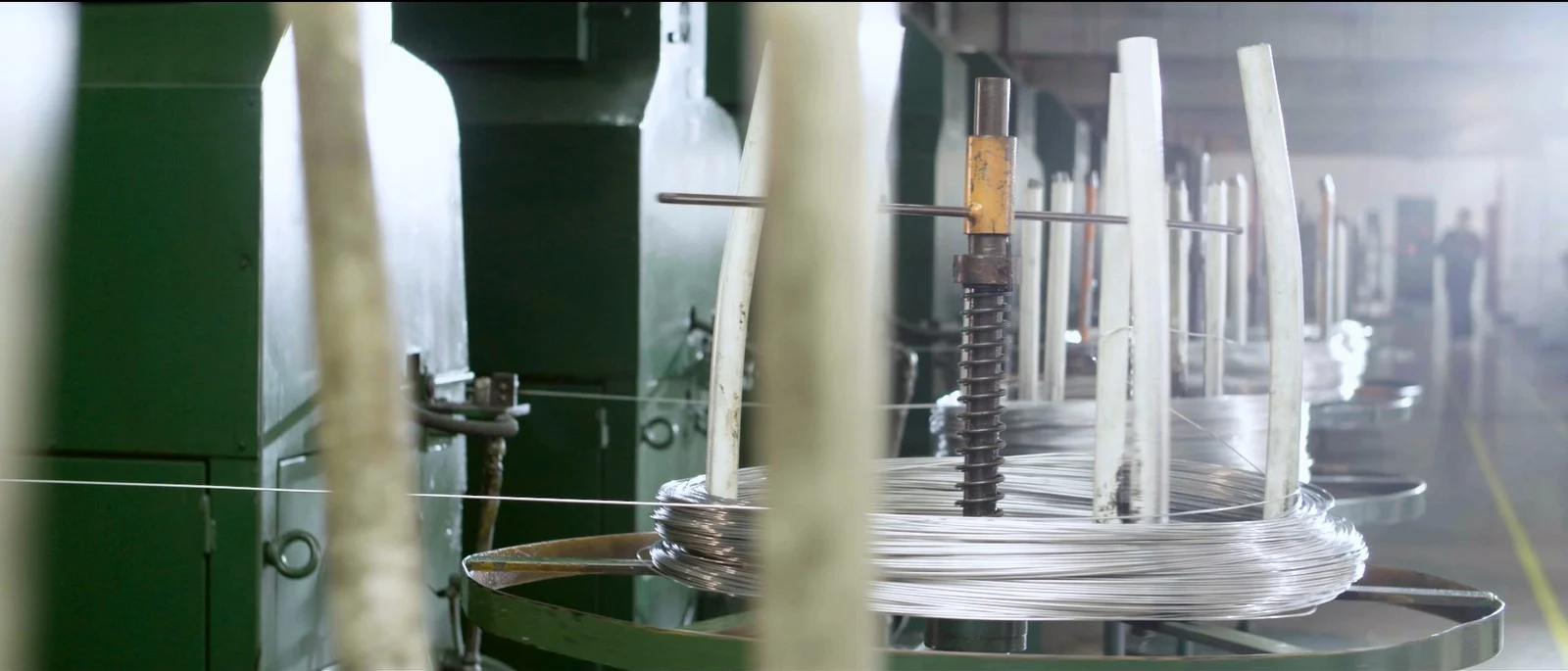
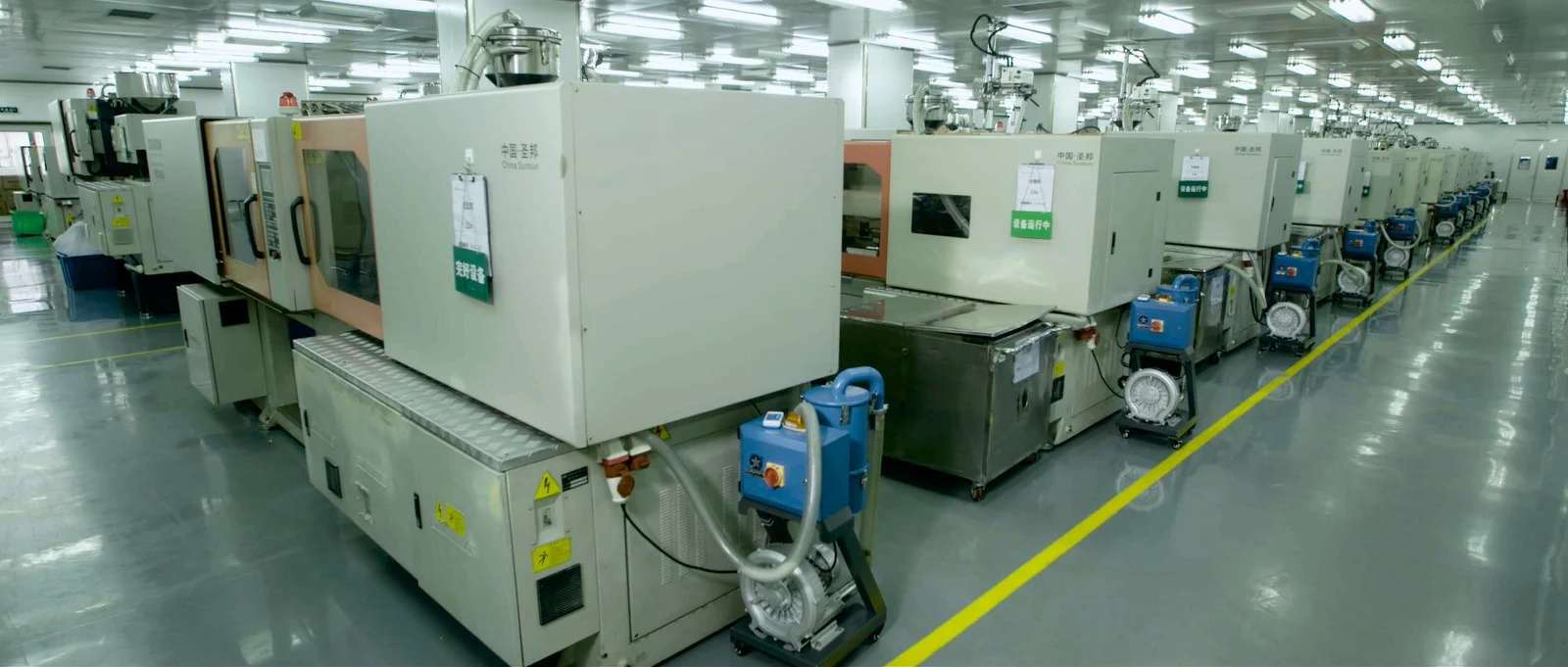
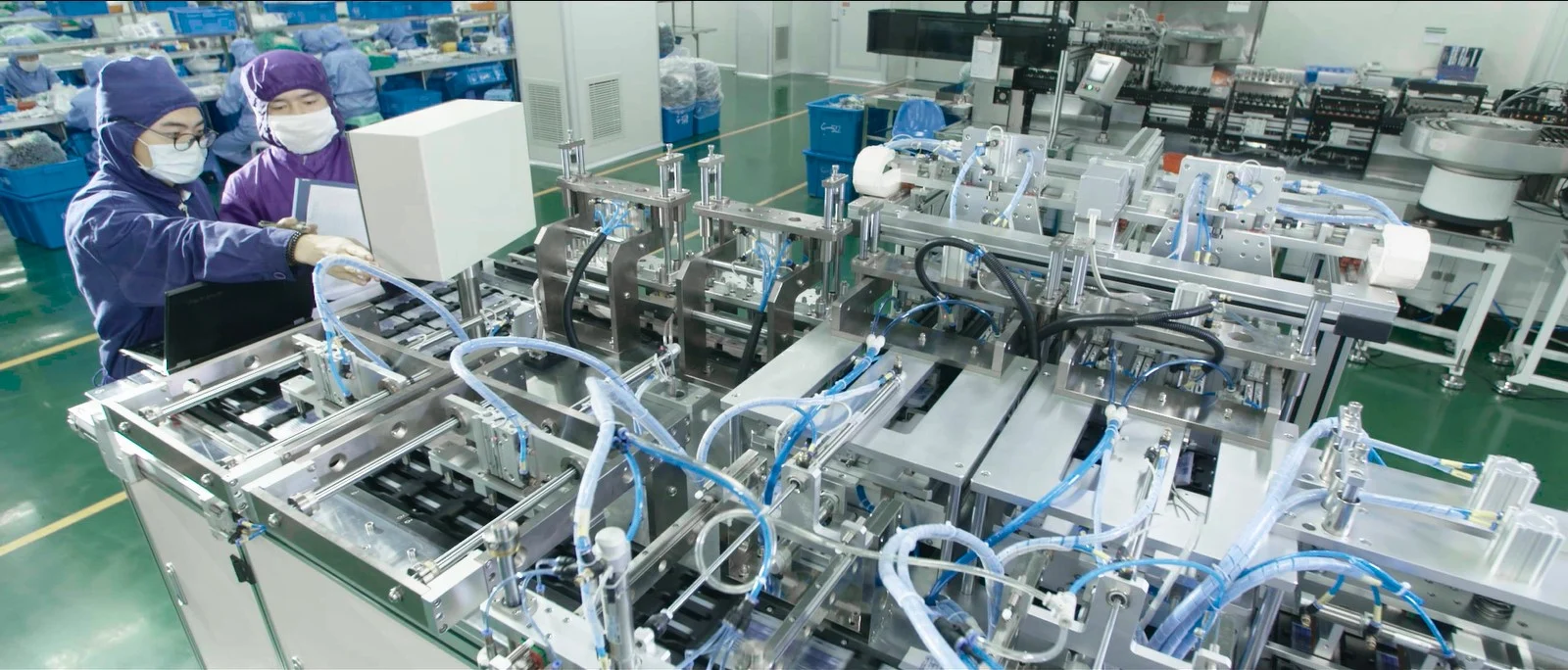
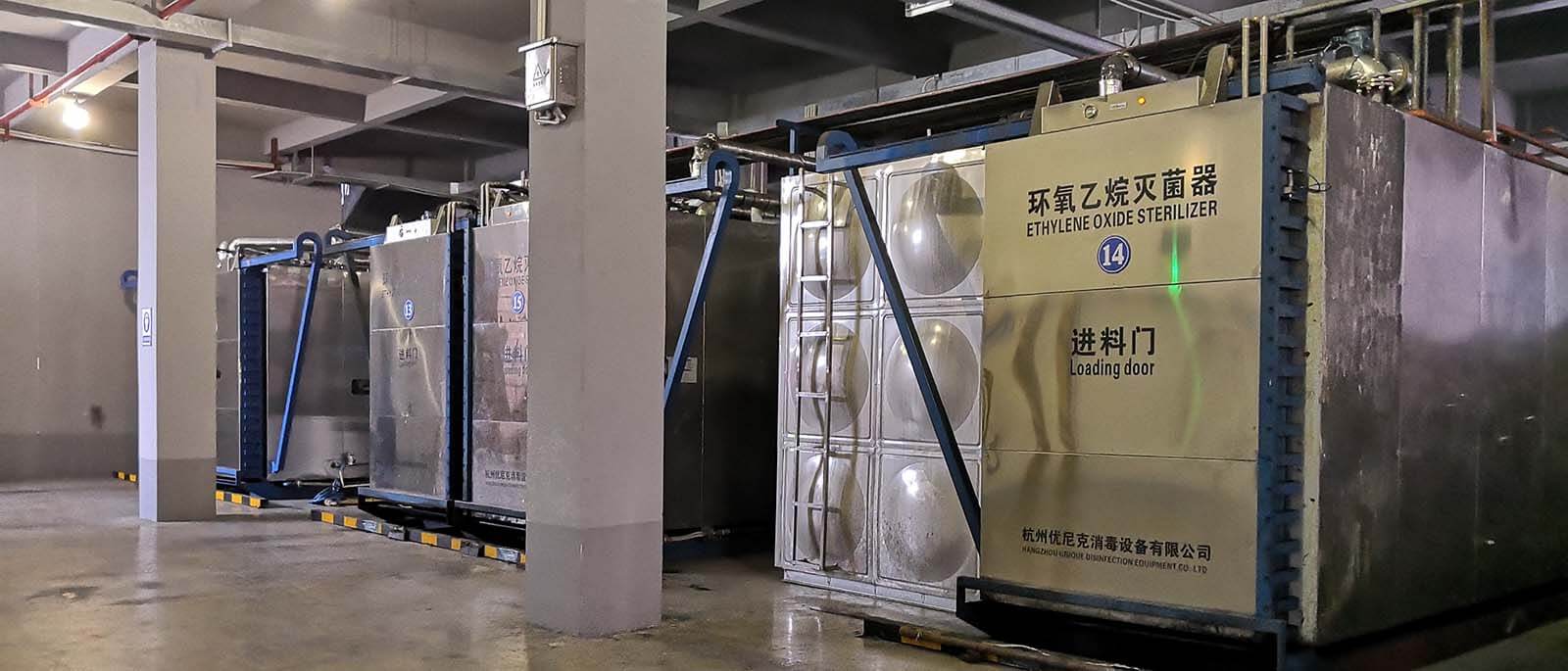
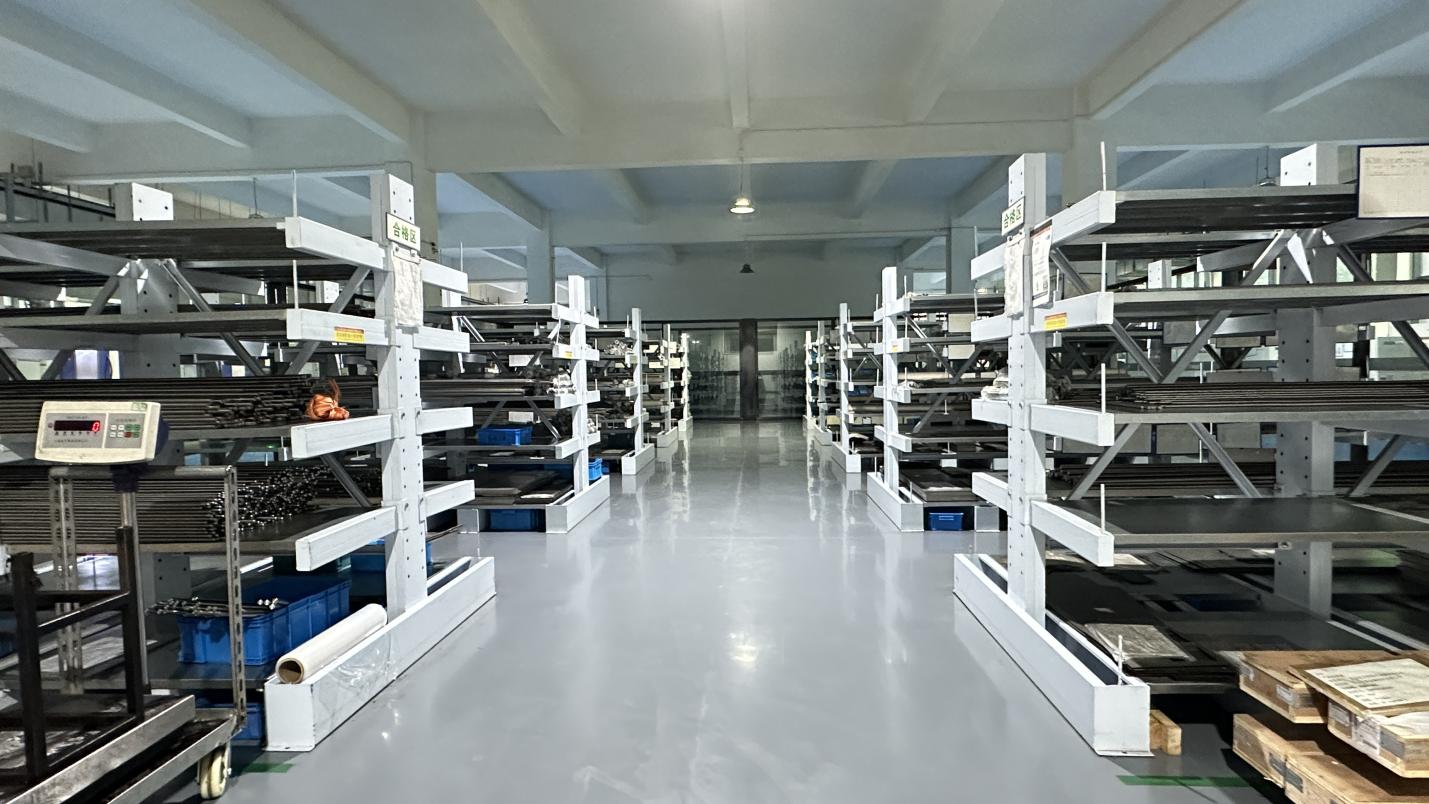
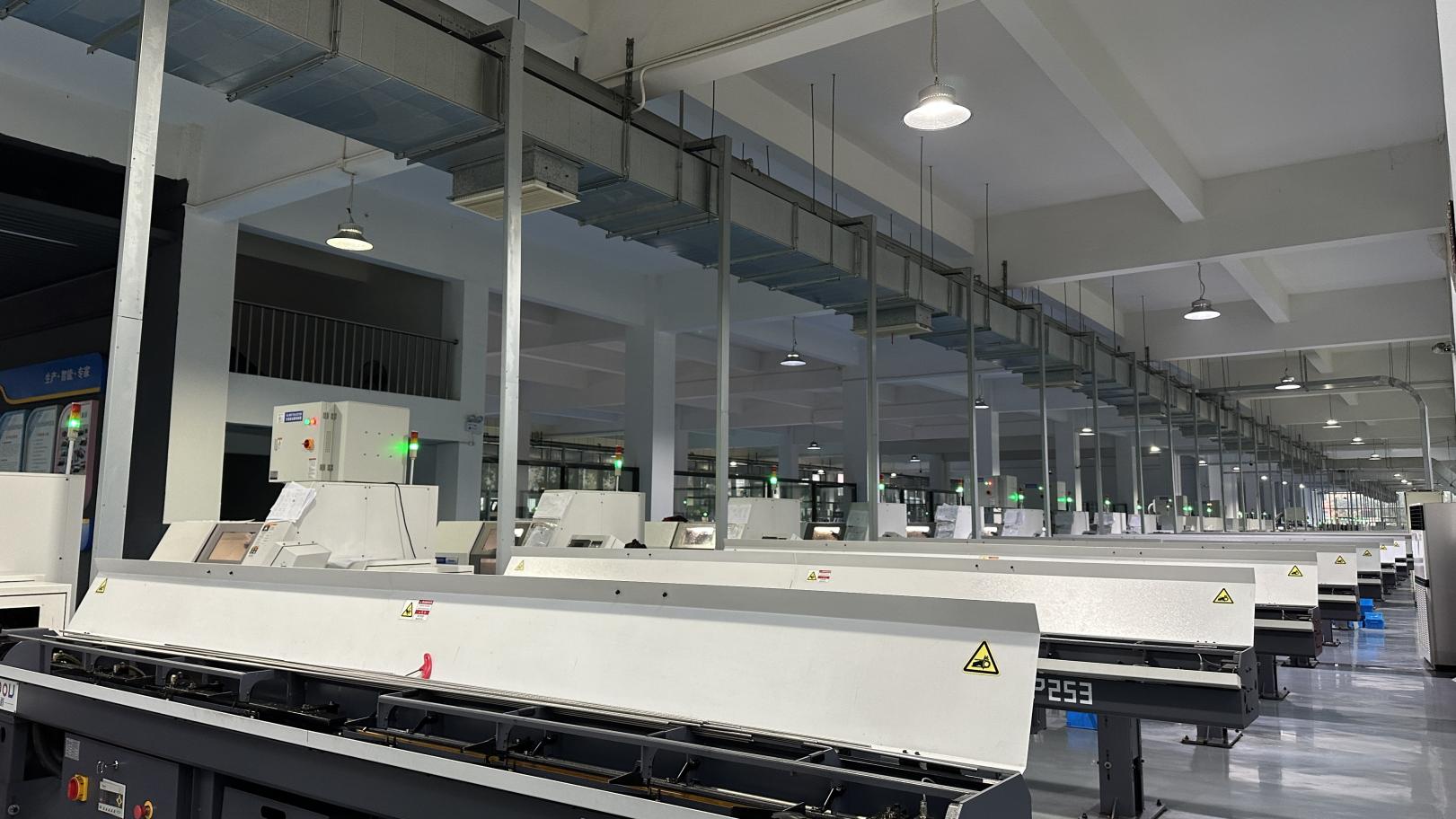
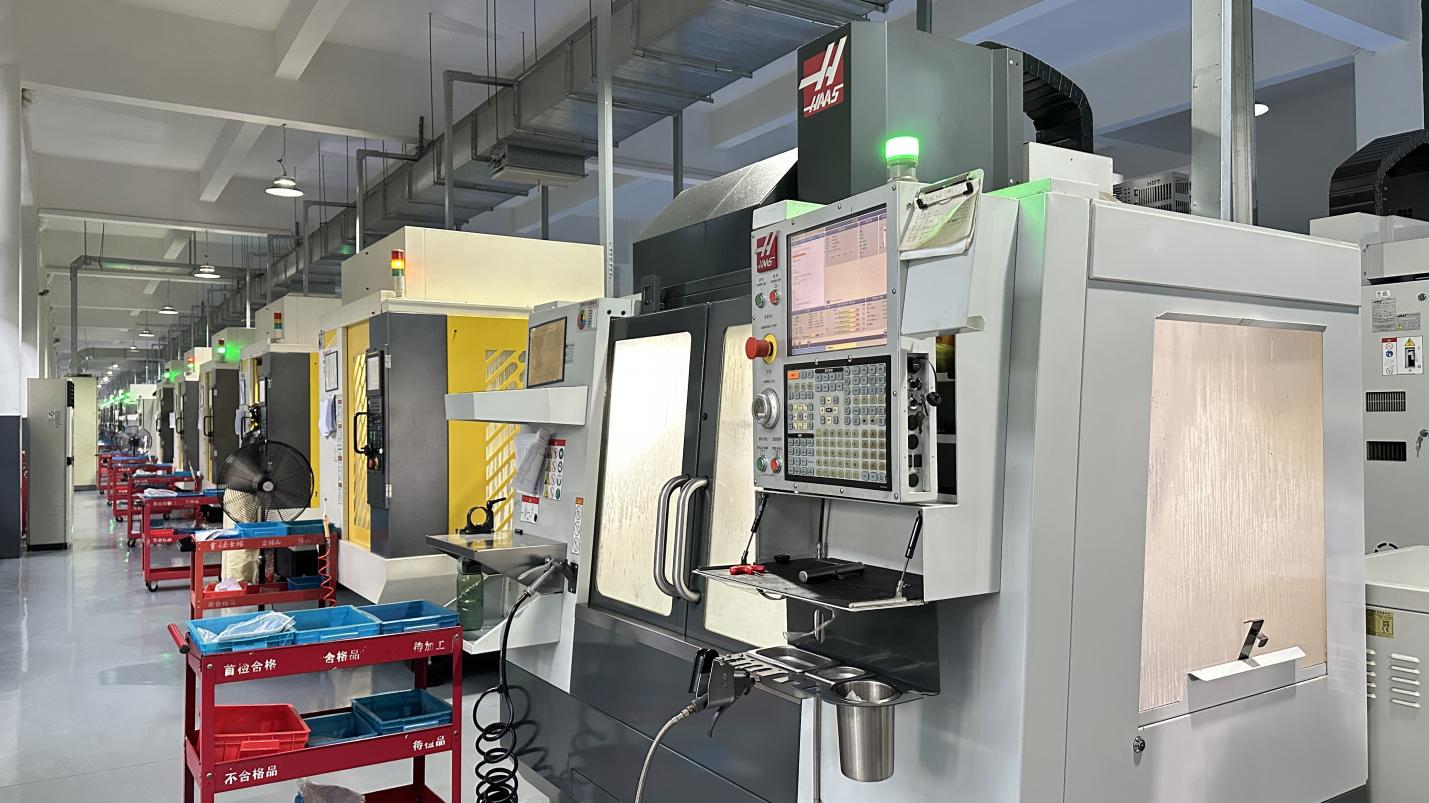
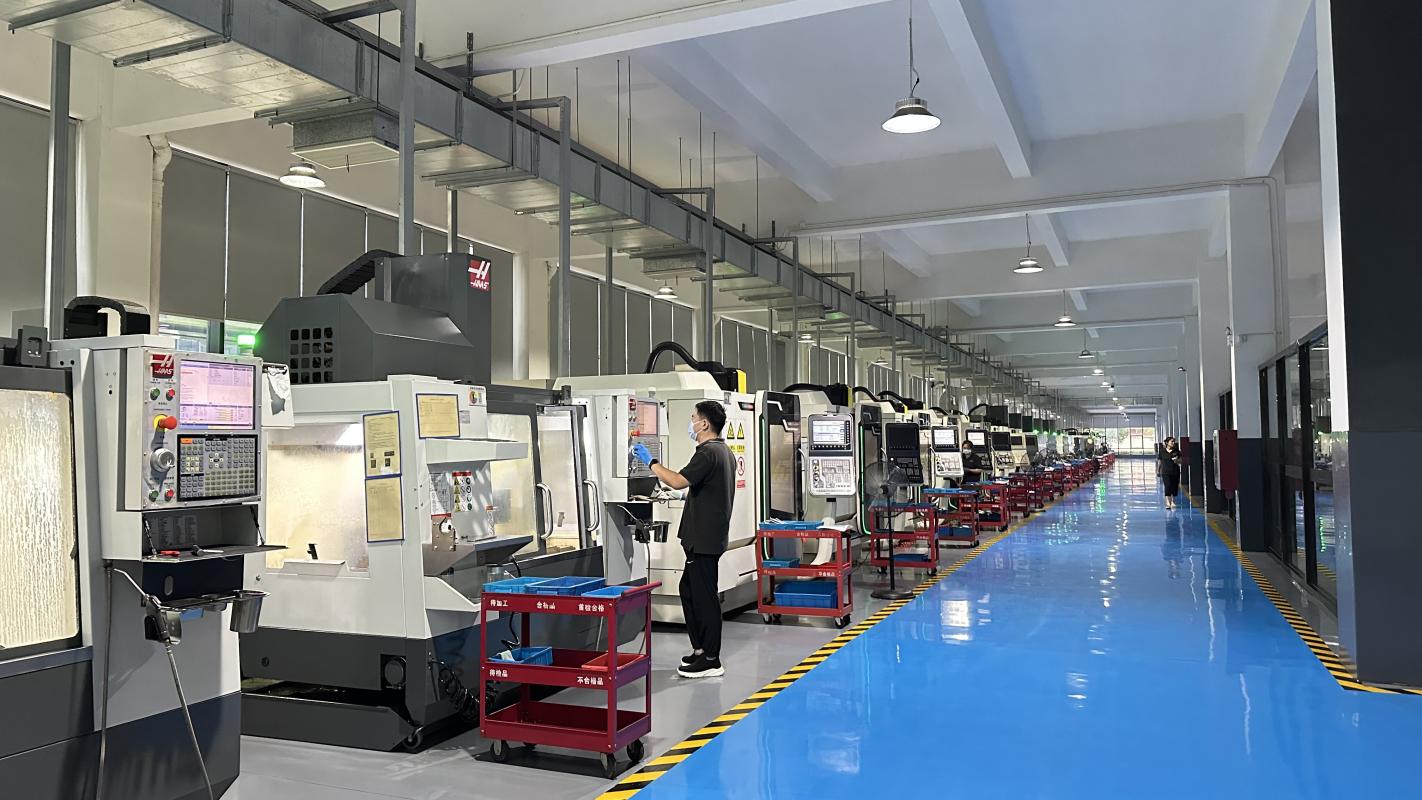
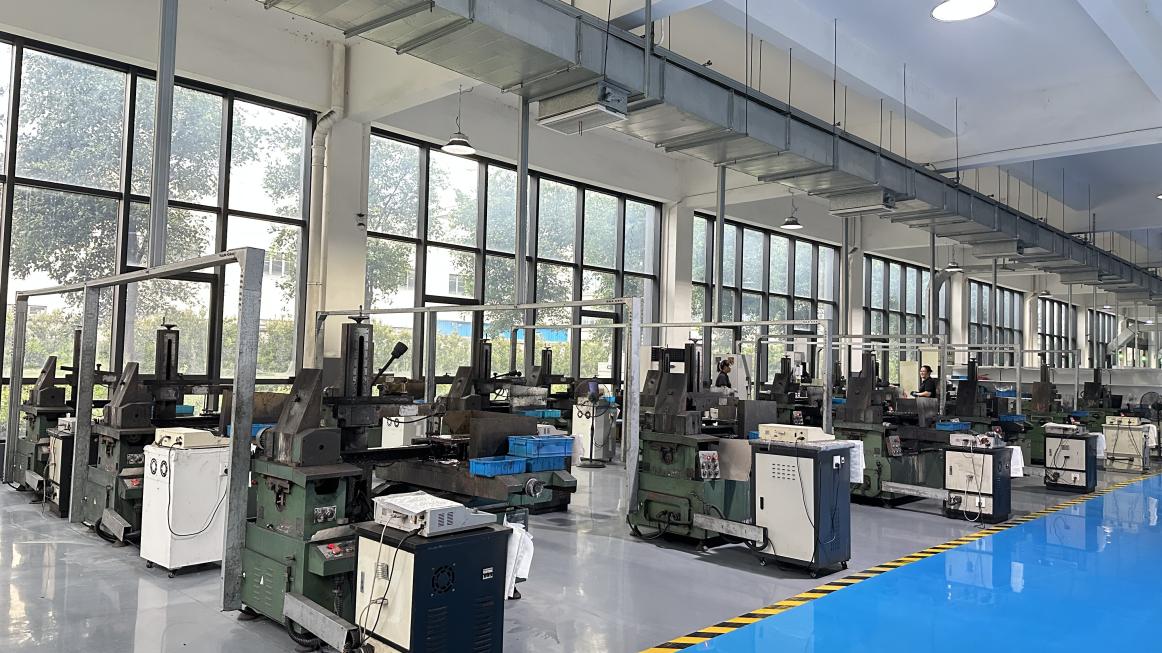
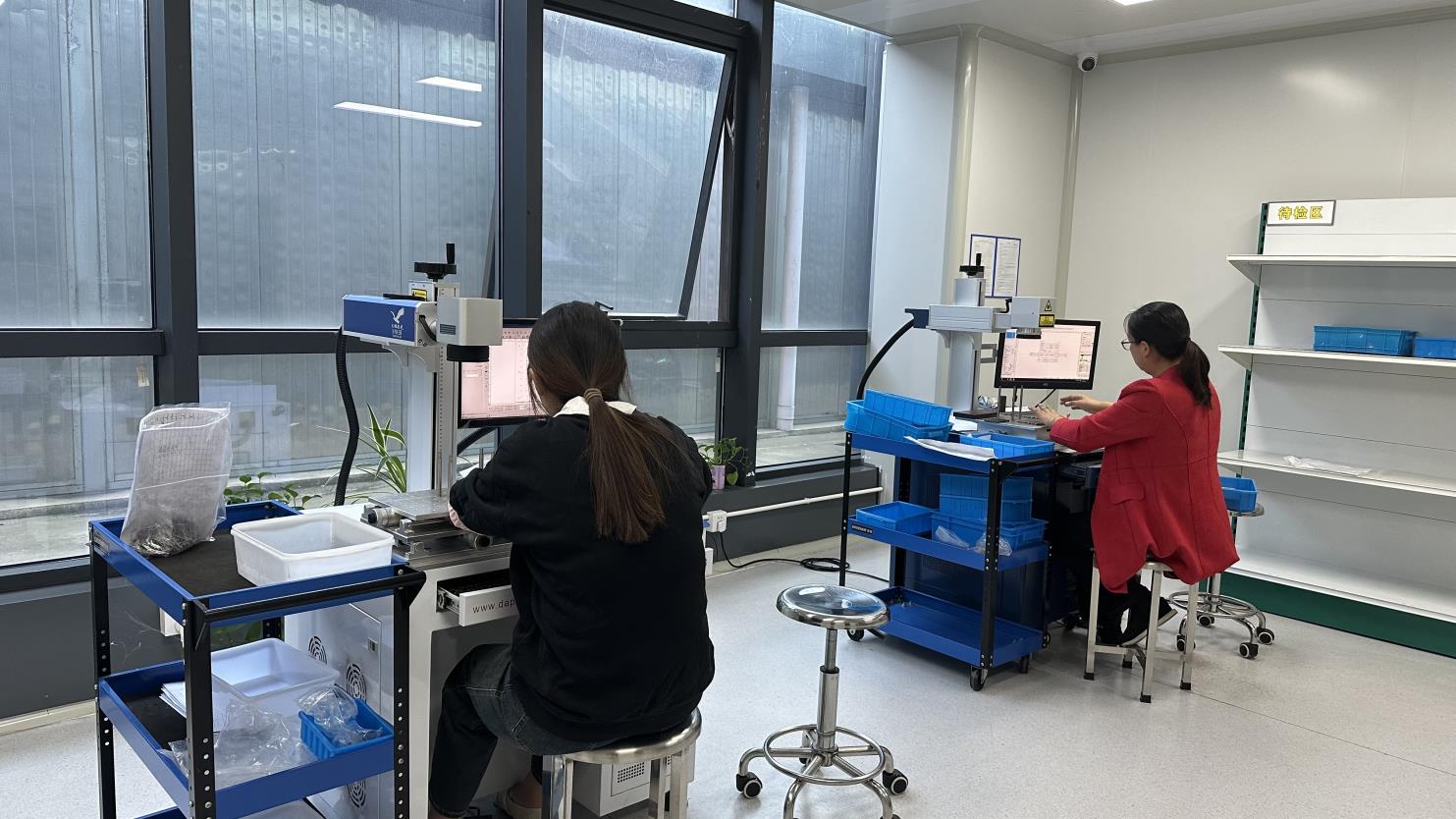
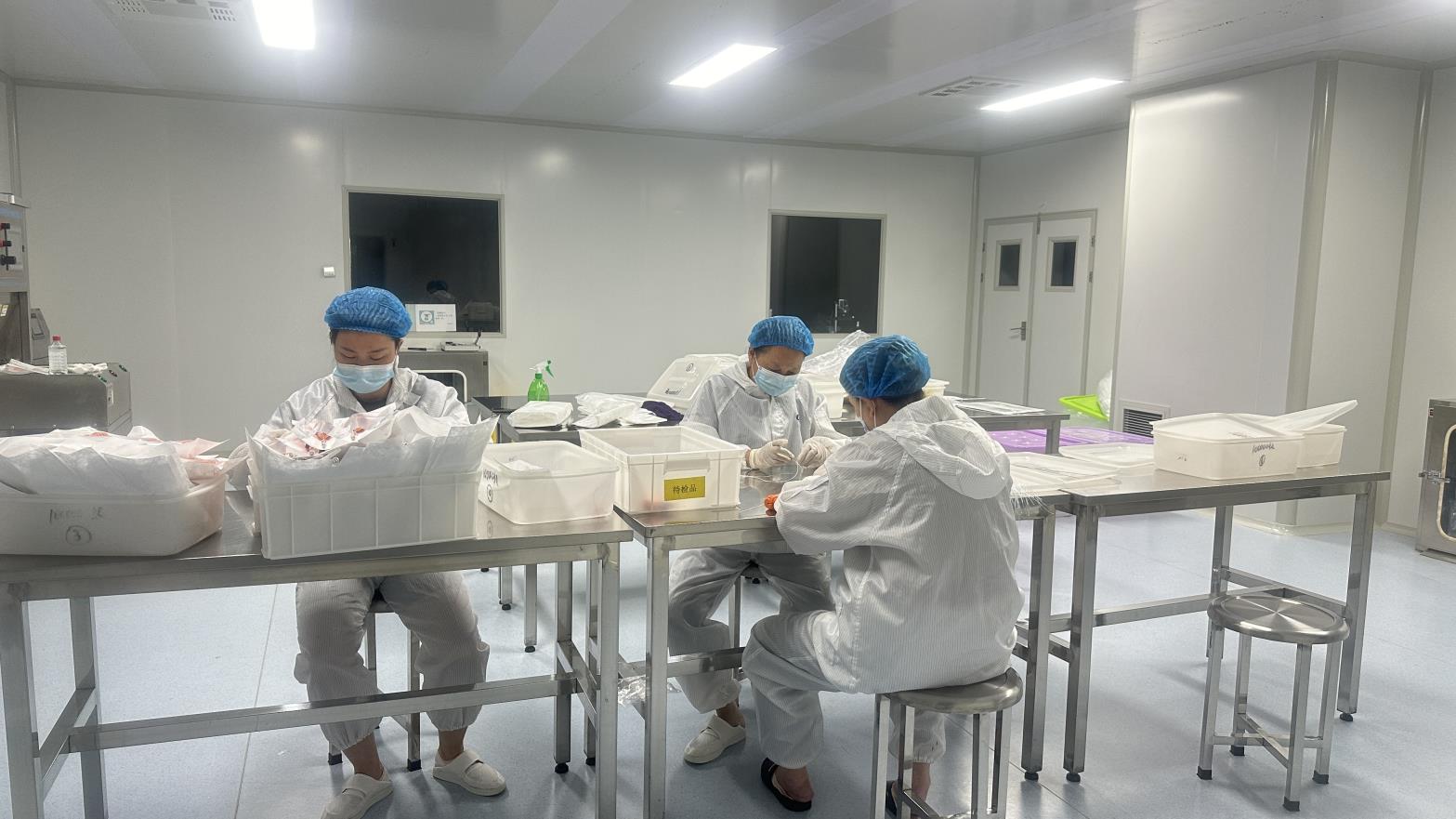
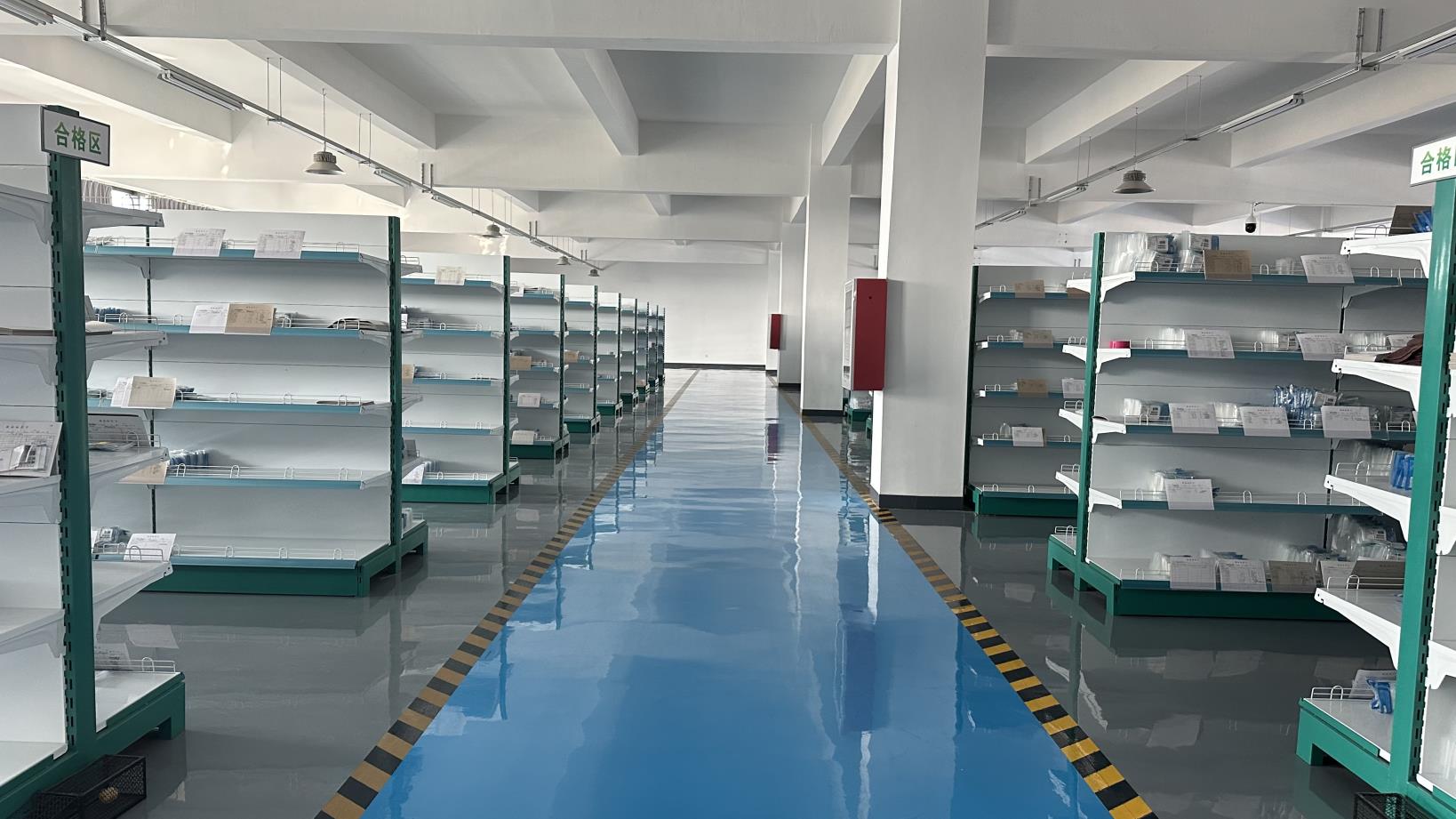
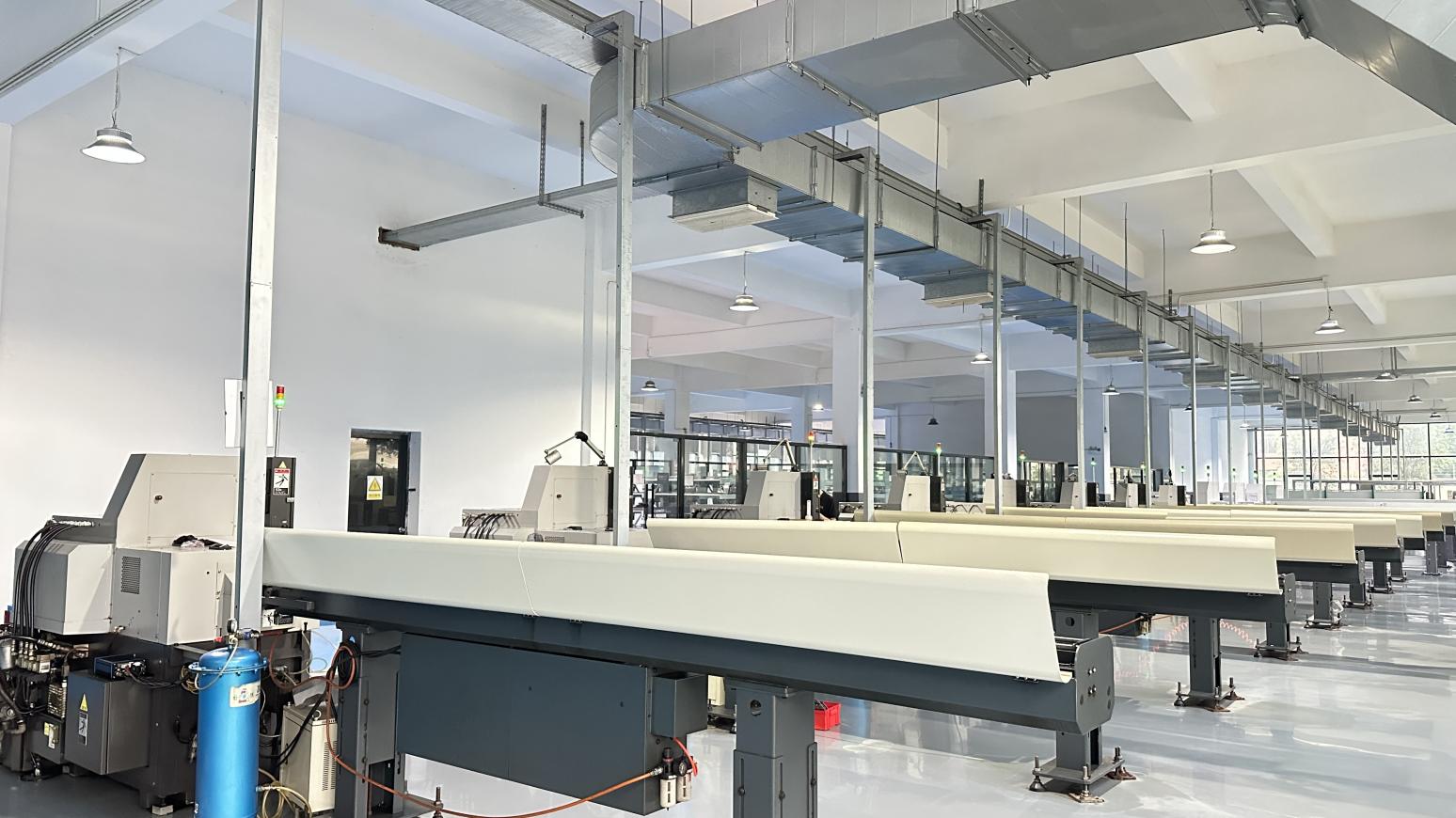
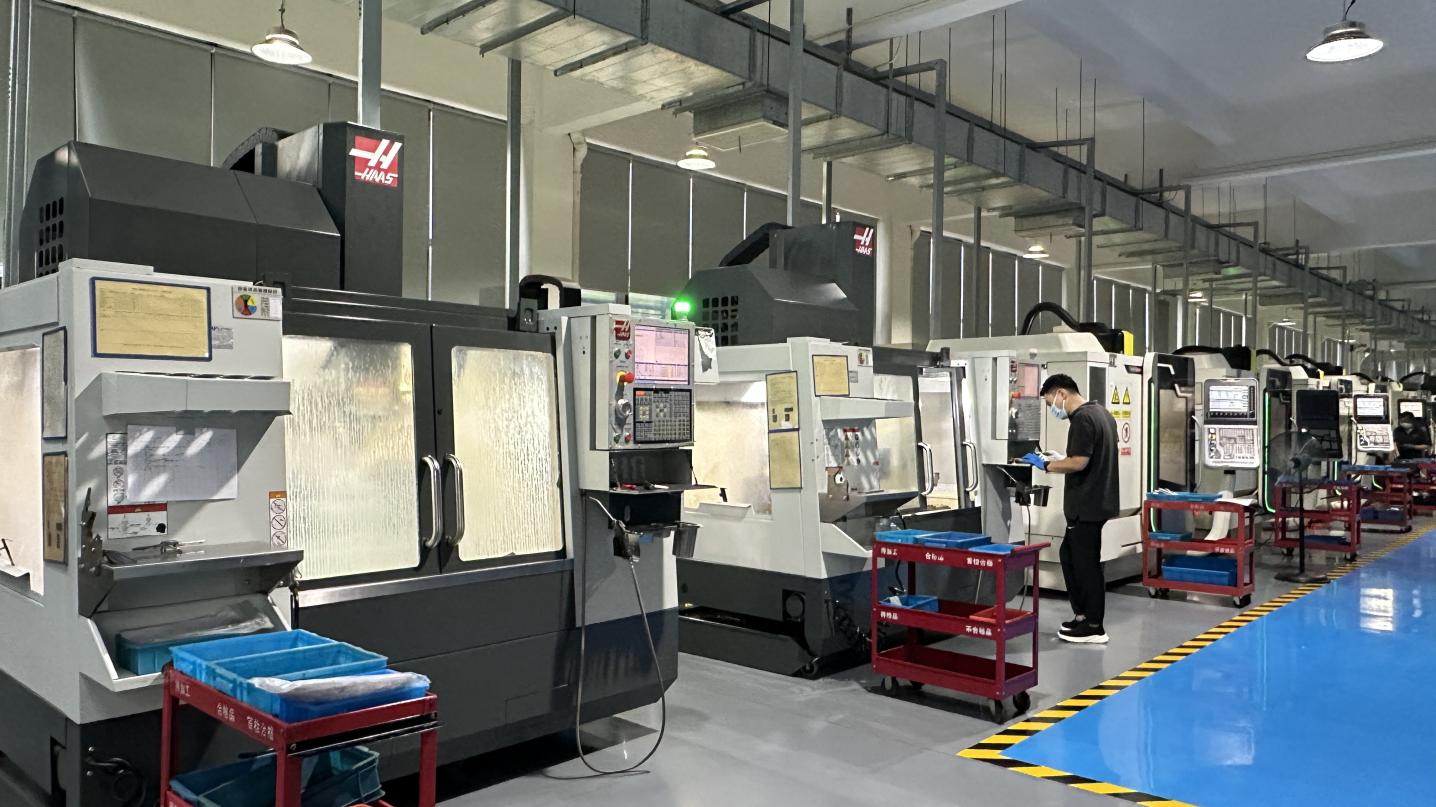
We provide custom OEM and ODM solutions to meet specific configuration, volume, branding, and packaging requirements.
The medical waste sector is evolving to address sustainability challenges. As global institutions work to minimize their carbon footprint, manufacturers are focusing on three main development areas:
Developing bio-based plastics that retain penetration resistance while reducing long-term landfill impact. These materials burn cleanly in waste incinerators without releasing harmful halogens.
Disposal units equipped with automated clipping heads that detach needle hubs from syringe bodies. This reduces the risk of accidental needle sticks during handling.
Adding passive RFID tags to medical containers allows hospitals to track waste generation and logistics, ensuring accurate compliance records.
Color-coded mechanical fill-line alerts and auto-engaging lid locks help prevent overfilling, which is a common cause of needlestick injuries.